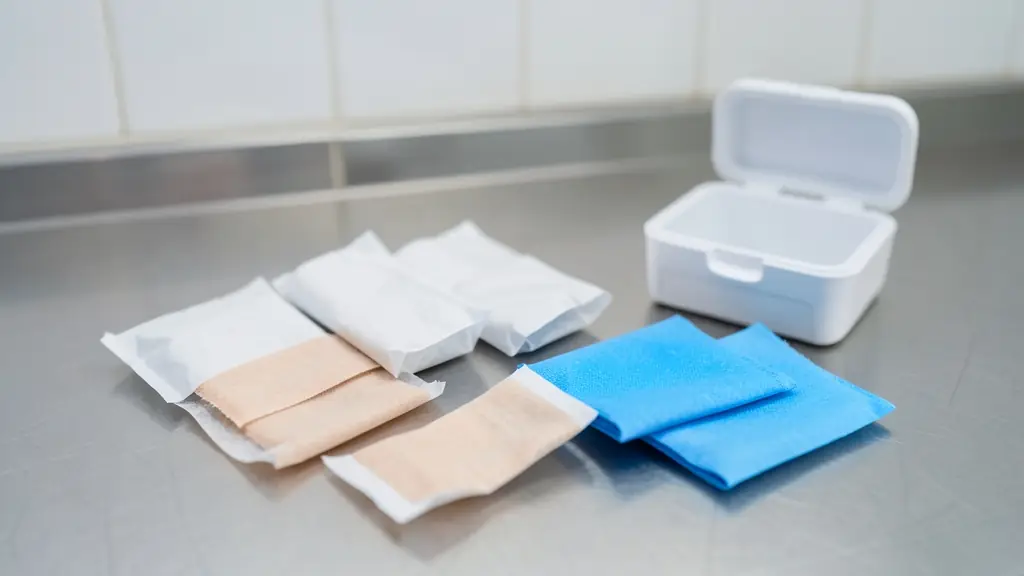
Plasters are the item every first aid kit runs out of first. Staff take them for blisters from new shoes, paper cuts and hangnails, and the box is empty on the day someone slices a thumb in the kitchen. Buying them is simple, but buying the right kind for the place is not: a food factory, a creche and a call centre each need something different.
Price guideA first aid supply store lists 10 plaster strips at about R2.86 and 100 fabric plasters at R28.61; a pharmacy lists 20 waterproof plasters at R24.99 and blister plasters at about R82 for 6 to R107 for 5A rough guide from published South African prices. The contents, the quantities, the make, delivery and VAT all move it.
Fabric, plastic and waterproof strips
Fabric strips bend with a knuckle and let skin breathe, so they suit offices and workshops where hands move all day. Plastic strips are cheaper and wipe clean. Waterproof plasters, a thin film with a sealed pad, stay on through hand washing and are what kitchens, cleaners and swimming coaches ask for. Fingertip and knuckle shapes are worth adding, because a straight strip on a fingertip falls off within the hour.
Blue detectable plasters for food lines
Food plants, bakeries and restaurant kitchens use blue plasters with a thin metal strip inside. The blue shows up against almost any food, and the metal lets the line's metal detector catch one that fell into a batch. An audit will usually look for them. Pair them with blue gloves from the gloves page and a wall dispenser at the hand basin, so nobody has to open the main box.
Blisters, rolls and sensitive skin
Blister plasters are a soft gel cushion, not a strip; hikers, waiters and security guards on long shifts use them. Keep a separate box of them so the wound plasters last. A plaster roll, or fabric dressing strip, is cut to length for odd shapes and long scrapes. For anyone who reacts to adhesive or latex, ask for hypoallergenic, latex free strips and a paper or silicone tape. A cut that keeps bleeding through a plaster, or is deep, gaping or dirty, needs more than a strip: see a doctor or the clinic, and in an emergency call 10177 or 112.
Why the box keeps emptying
Plasters vanish because they are useful. A register next to the box, a blister box apart from the cut box, and a restock date help. The kit restock calculator estimates how many to reorder for your headcount.
Who asks for this
- Families and carers
- A mixed box of fabric strips and fingertip shapes, plus blister pads for school shoes.
- Offices, shops and salons
- Fabric strips in the wall box and a separate blister box so cuts are covered.
- Factories, mines and sites
- Blue detectable plasters at every hand basin on a food or packaging line.
- Schools, creches and clubs
- Latex free strips for each classroom kit, restocked each term by the bursar.
- Clinics, practices and care homes
- Bulk boxes of strips and plaster rolls for the treatment room and the waiting room.
- Events and venues
- Waterproof strips and lots of blister pads at the first aid post of a fun run.
- Farms, lodges and the outdoors
- Blister plasters and a fabric roll in the pack of every hiker and trail runner.
- Vehicle fleets
- A small box of fabric strips in each vehicle kit, checked when the bakkie is serviced.
Frequently asked questions
How many plasters does a workplace kit hold?
The list in the General Safety Regulations commonly includes adhesive strips, and suppliers usually pack a box of assorted sizes in a kit sold as a Regulation 7 kit. It is worth asking which list a given kit is built to and how many strips the refill holds.
Are waterproof plasters worth the extra cost?
Where hands get wet all day, yes, because a fabric strip soaks through and peels off in minutes. In an office, a fabric or plastic strip is usually enough.
How are plasters sold in bulk?
By the box of 100 or more strips of one size, by the assorted pack, and as dispenser refills. The material, whether they are detectable, the shapes and delivery set the price.
Can a creche put plasters on children?
Many creches do, but some children react to adhesive and some parents prefer to be told first. Write it into your policy, keep latex free strips, and send a note home.