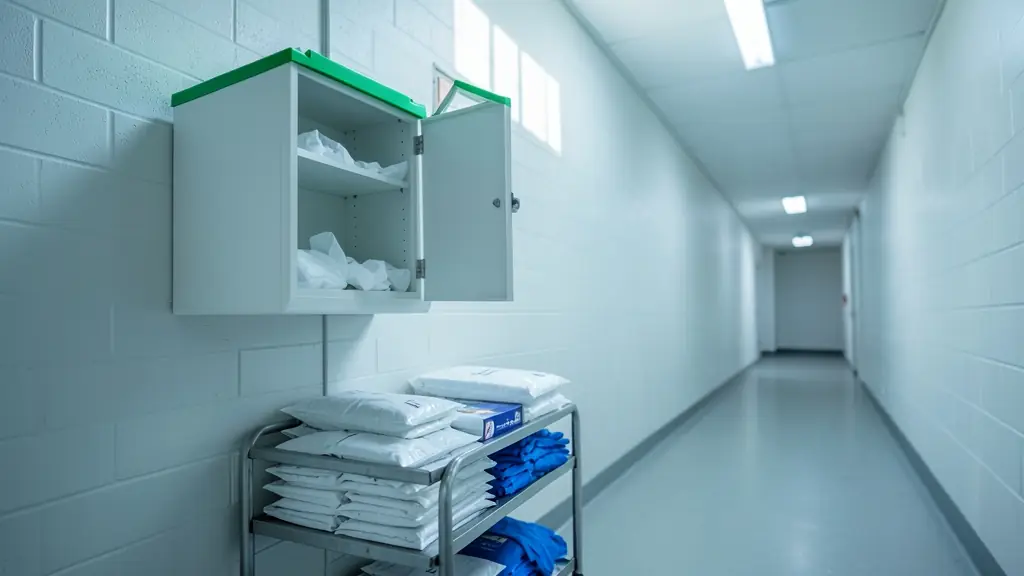
First aid kit refills are what keep a kit honest. A box bought full slowly empties: one plaster here, a pair of gloves there, and a sterile dressing that went past its date without anyone noticing. Whether you run one wall box at a salon or forty across a warehouse, the work is the same: count what is left, replace what was used or has expired, and keep a record that shows you did it.
Price guideRefill packs cost about R149 to R181 for the government spec contents and R390 to R520 for a pharmacy's Regulation 7 refill or replenishing kit. These are pack prices; a supplier's restock visit was not priced on any page we readA rough guide from published South African prices. The contents, the quantities, the make, delivery and VAT all move it.
What runs out first
Plasters, gloves and wound swabs go first, almost everywhere. Staff take plasters for blisters and paper cuts until nothing is left for a real cut, and gloves get borrowed for cleaning or handling food. Triangular bandages and splints, by contrast, can sit unused for years. That pattern is why a refill is rarely a full new kit: it is a pack of the fast movers plus whatever has dated.
Do first aid kits expire?
The box does not, but much of what is inside does. Sterile dressings and swabs carry a date because the maker vouches for the seal only so long; wound cleaner, saline, burn gel and eye wash bottles have dates too, and an opened eye wash bottle should not be kept for later. Gloves age and tear. The classic audit surprise is a kit that passed on paper while every dressing inside had expired, so check the dates, not just the count.
The register and the inspection sheet
A first aid kit register is a simple log kept with the box: the date, who was treated, what happened, what was used and who gave the first aid. It tells you what to reorder and it feeds your incident records. A first aid kit inspection checklist covers the rest: seals intact, quantities against the contents list, dates, the box clean and reachable, the sign and the first aider's name still posted. Print a list from the first aid kit checklist and set the reorder dates with the kit restock calculator.
Refill packs or a restocking service
With one or two boxes, a refill pack matched to your workplace kit and a monthly check by the first aider usually works. Once you have many sites, floors or vehicle kits, a restocking service visits monthly or quarterly, inspects each box, replaces used and expired items and leaves a signed sheet for the health and safety file. Packs are priced per pack; a service is priced per visit or per kit inspected, plus the items used.
Who asks for this
- Families and carers
- Topping up the family kit after holidays and swapping out dated creams and dressings.
- Offices, shops and salons
- A monthly look at the kitchen wall box where plasters vanish fastest.
- Factories, mines and sites
- Quarterly service visits for dozens of boxes across shifts, floors and workshops.
- Schools, creches and clubs
- Restocking classroom and sports kits before each term and after the athletics day.
- Clinics, practices and care homes
- Keeping the reception kit and the staff room box dated and complete for audits.
- Events and venues
- Refilling the first aid post and roaming bags between festival days.
- Farms, lodges and the outdoors
- Replacing heat damaged and used items in lodge and guide kits each season.
- Vehicle fleets
- A refill route through the depot that checks every vehicle pouch in turn.
Frequently asked questions
How often should a kit be checked?
As commonly done, after every use and at least once a month by the first aider, with a fuller inspection each quarter. Busy kitchens and sites often check weekly. Your health and safety officer sets the routine for your workplace.
Can I refill a kit bought from another supplier?
Usually yes, since dressings, bandages and gloves are standard items. Send the contents list or a photo of the open box so the refill matches the sizes and fits the shelves.
What do I do with expired items?
Take them out and replace them; do not leave them in the box as spares. A restocking service usually removes them for you. Expired medicines from a home kit can go back to a pharmacy that takes them.
Who does the restocking visits?
Supply firms with a service team that covers your area. We restock nothing ourselves: they receive the details you send and price the visits for you.
Related topics
Work it out first
- Workplace first aid calculatorEmployees, shifts, sites, floors and the kind of work in: the first aid boxes and first aiders to plan for
- First aid kit checklistA kit type and the number of people in: a printable tick list of contents with guide quantities
- Kit restock calculatorKits, people, how often small injuries happen and the months between checks in: a reorder list and check dates