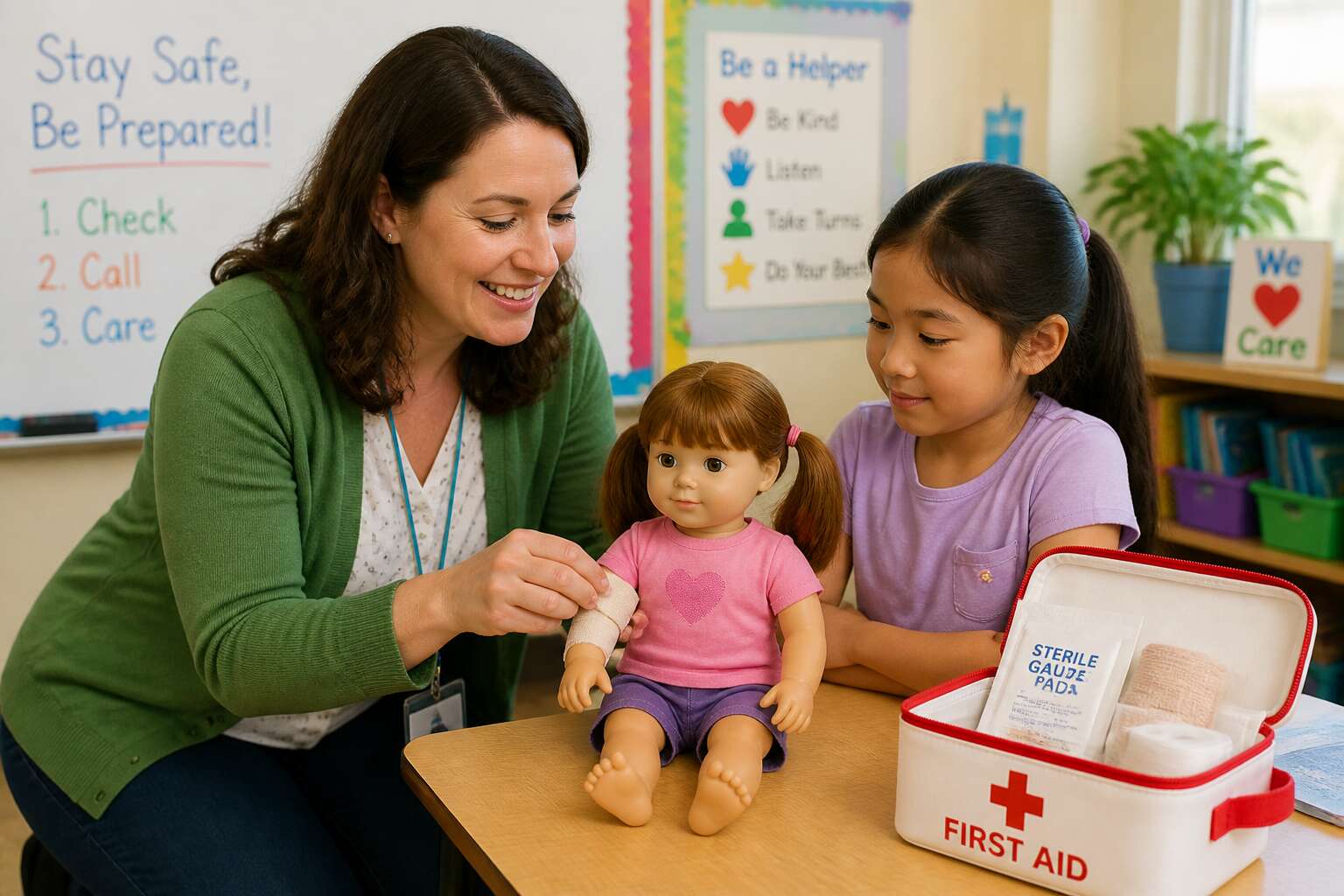
Understanding Your Legal and Professional Obligations as a Teacher
In South Africa, the Occupational Health and Safety Act obliges educators to act in loco parentis. Yet most teachers cannot name a single requirement. This is a perilous gap, because your legal and professional duties converge on one question: what first aid course do teachers need?
Consider what the law expects of you:
- Maintain a valid first aid certificate from a recognised provider.
- Know the emergency procedures for your specific school.
- Document every incident and response.
The answer is not a generic qualification. You need a course that covers CPR, choking, and anaphylaxis, tailored to children. Without this, you are exposed to liability, and worse, you fail the child who depends on you.
Core Emergency Response Skills Every Educator Should Possess
Every teacher in South Africa knows the chaos of a scraped knee during break. But the real test comes when a child collapses, or when an allergic reaction turns lunchtime into a crisis. The first five minutes matter more than the next hour, and frankly, most staff members are winging it.
Core emergency response skills go beyond basic CPR. A competent educator should be able to:
- Assess a scene without panicking
- Manage choking in tiny airways
- Recognise stroke and anaphylaxis symptoms
- Position an unconscious child into recovery
This is precisely where the question of what first aid course do teachers need stops being academic. The right course simulates the mess, the noise, and the panic of a real incident. Theory only gets you so far when a child is turning blue!
Specialized Training for Student-Specific Medical Needs
Teachers often wonder what first aid course do teachers need when faced with learners with chronic conditions. The standard three-day course covers basics like CPR and wound care, but it barely scratches the surface of the everyday reality in a South African classroom. Children arrive with epilepsy, severe allergies, asthma, and diabetes. These are not rare occurrences, and the generic training often leaves educators feeling unprepared for the specific emergencies that arise.
Specialized modules address this gap. They focus on your actual learners, not a theoretical patient. You learn to spot the early warning signs of an epileptic seizure or an anaphylactic reaction before they become critical. This is about recognition, but also about the precise, immediate response required for each condition. The pace is different, and the protocols are stricter than what you would use for a typical injury.
– Administering an adrenaline auto-injector correctly
– Positioning a child having a seizure to keep their airway open
– Identifying when a diabetic child needs glucose, not an ambulance
This is the practical knowledge that keeps a school day from turning into a crisis. When you ask what first aid course do teachers need, the answer usually points to a programme that includes these specific, high-risk scenarios, not just general bandaging skills. It is about bridging the gap between knowing first aid and knowing what to do for the child sitting right in front of you. School policies differ, so check if your training provider aligns with the Department of Basic Education’s requirements, but always prioritise this specialised content. It is a different kind of preparation, and it makes the standard course feel like a prologue to the real work.
Choosing the Right Training Format for Your Teaching Role
Ask any staffroom what first aid course do teachers need, and you will get different answers depending on who you ask. Some want the full day practical session. Others need something they can complete between lessons. Both instincts are valid, but the training format can shape your whole experience.
Here is what I have seen work well in South African schools:
- Full day workshops for hands on CPR practice
- Self paced online modules for busy term weeks
- Blended courses that combine both worlds
Your choice should match your teaching load and how confident you feel with each topic. A morning of role play might unnerve you, but that is often where real learning lands. Pick the format that fits your school year and your nerves.
Creating a Personal First Aid Training Plan for the School Year
When the school bell rings, your role shifts from educator to first responder. A personal first aid training plan for the school year does not require sacrifice. It requires timing and assessment. Think about your classroom risks, from playground scrapes to allergic reactions. Your plan should align with your schedule, not fight it. The question of what first aid course do teachers need becomes clearer when broken into small steps.
- Identify the emergencies most likely in your environment.
- Reserve a specific weekend each term for recertification.
- Practice one skill monthly during breaks.
This structure keeps your training sharp without overwhelming your calendar. I found that committing to a single skill per month transformed my confidence! By January, I could handle fractures and choking without hesitation. The answer to what first aid course do teachers need is not a mystery. It is a schedule you revisit, adjust, and respect.

0 Comments