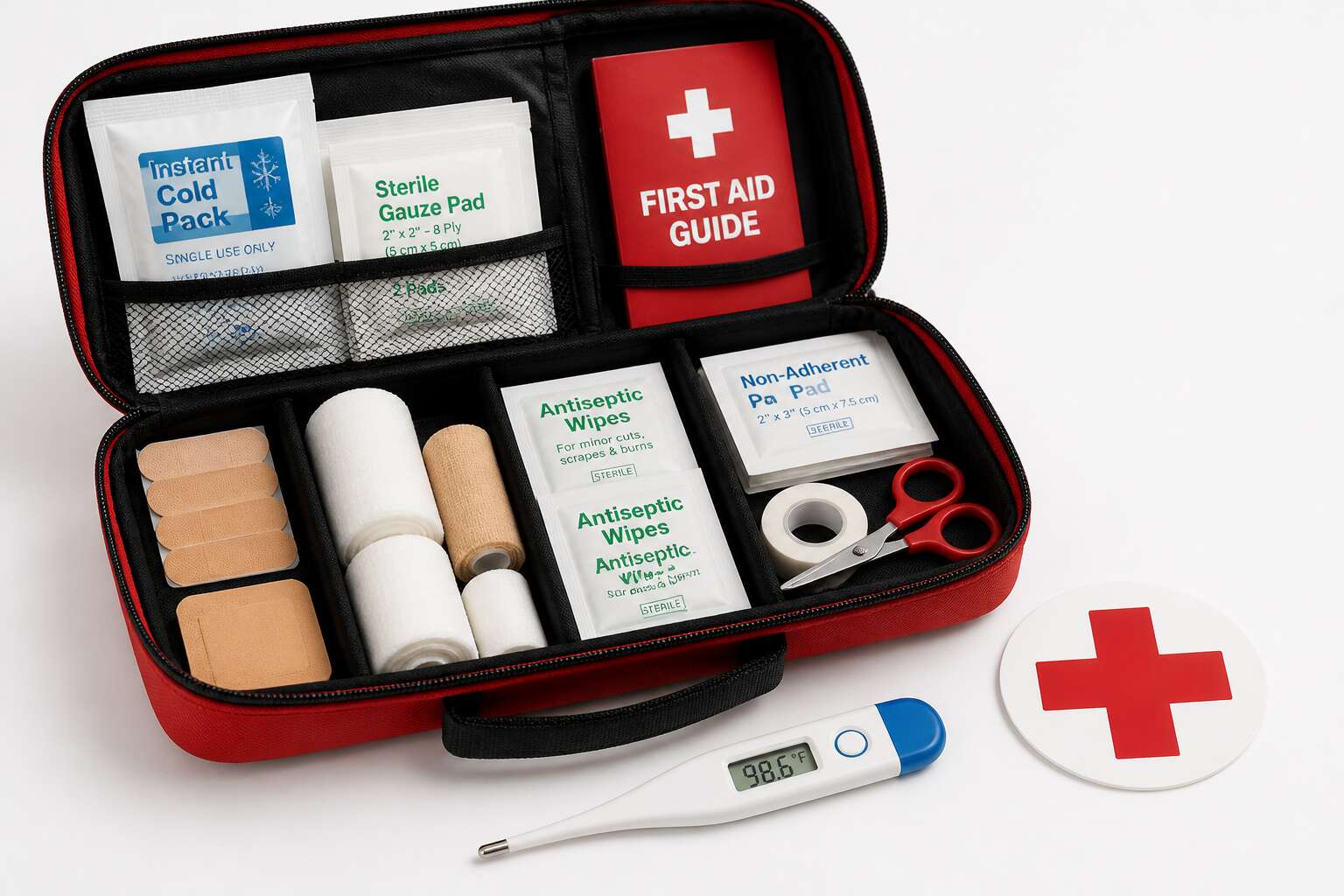
Essential Components of a Well-Stocked Emergency Kit
Common Medical Tools Found in Standard Kits
Fever is often the first warning sign of infection, yet the answer to does first aid kit have thermometer is rarely written on the box. Standard kits focus on wound care: plasters, bandages, antiseptic wipes, and gauze. They stop bleeding and contamination, but they miss core temperature entirely.
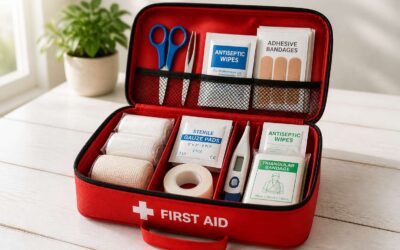
Common medical tools found in standard kits include scissors, tweezers, and gloves. Some brands add a CPR mask or saline rinse. The thermometer sits outside that lineup, usually sold as a separate item. For a South African household facing summer heatstroke or winter flu, that omission is a real problem.
- Digital thermometers give a reading in seconds
- Mercury versions are slowly disappearing from shelves
I check every kit I buy before it lands in the car or cupboard. A kit without temperature checks is only half a kit.
The Role of Diagnostic Devices in Home Preparedness
The absence of a thermometer in most pre-packed kits is a silent trap. We prepare for bleeding, for scrapes, for the visible wounds, yet we ignore the invisible enemy: a rising core temperature. That oversight turns a simple infection into a guessing game.
Diagnostic devices are the quiet arbiters of decision-making. A blood pressure cuff, a stethoscope, and a digital thermometer provide the data needed to act with logic rather than panic. In the chaos of a medical event, a number on a screen offers clarity. Without it, you are left to feel a forehead and hope.
Consider the question that plagues every household: does first aid kit have thermometer onboard? The answer is usually no. It is a frustrating omission, especially when a febrile child becomes lethargic at midnight. You can clean a scrape, but you cannot negotiate with a fever you cannot measure.
When I assembled my own home kit, I bypassed the flashy trauma gear and focused on the subtle signs. A thermometer, an oximeter, and a simple glucose monitor are my first choices. They transform a passive bag of gauze into an active diagnostic station.
- Rectal thermometers for infants, considered the gold standard for accuracy
- Infrared ear models for a rapid, non-invasive reading on a squirming toddler
- Forehead strips for a quick, non-contact glance during sleep
Each device has a purpose, yet the standard first aid kit remains stubbornly resistant to them. It is a strange quirk of manufacturing, a reliance on the obsolete Mercury era of thinking. We live in a world of instant information, but our emergency supplies lag behind in the 19th century.
I find it amusing that we trust a box to stop a severed artery, but we do not trust it to detect a child’s fever. It is a lapse in logic, a blind spot in our collective preparedness. The real issue is that the question does first aid kit have thermometer forces a re-evaluation of what we consider essential. Perhaps it is time to demand more from our pre-assembled safety nets.
How to Assess Your Current Kit’s Inventory
A single glance inside a home emergency kit reveals inventory gaps. Most people stock bandages and antiseptic, yet the question does first aid kit have thermometer rarely surfaces until a fever strikes. Essential components extend beyond wound care: hydration salts, antihistamines, and a basic supply of paracetamol handle everyday crises.
- Sterile gauze and adhesive tape for pressure dressings
- Oral rehydration solution for gastrointestinal distress
- Disposable gloves and a CPR mask
Assessing your current inventory means auditing expiration dates and restocking depleted items. Pull everything out and check each seal. Compare against a written checklist. Remove torn packaging and replace missing tweezers. The query does first aid kit have thermometer demands action. Verify your diagnostic tools separately, then reassemble the kit in a labelled container.
Why Temperature Monitoring Matters in Emergency Situations
Detecting Fever as a Critical Health Indicator
A fever is a direct physiological response. When a pathogen breaches the immune defences, the hypothalamus raises the body’s set point within minutes. So when you ask, does first aid kit have thermometer, you are really asking whether you can detect a hidden threat. Without one, a caregiver relies on touch, and touch misleads.
In emergency medicine, temperature directs triage.
- Below 38°C: mild elevation, often viral.
- 38°C to 39.5°C: active fever, monitor closely.
- Above 39.5°C: high risk for severe disease.
In South Africa, where malaria and tick-bite fever are endemic, a single reading separates a false alarm from a call for immediate transport. The presence of a thermometer in any first aid kit replaces guesswork with objective evidence.
Monitoring Hyperthermia and Hypothermia Risks
Temperature operates in two directions. Hyperthermia from heatstroke can shut down organs within an hour, while hypothermia creeps in during a cold night, numbing judgement before the body follows. The question does first aid kit have thermometer stops being academic when a hiker collapses on Table Mountain or a child shivers after a cold swim. A caregiver must rule out:
1. Heatstroke, where the body exceeds 40°C and needs rapid cooling.
2. Hypothermia, where a drop to 35°C or below demands gradual rewarming.
3. Sepsis, where an abnormal temperature accompanies infection.
One reading separates these paths. Without it, you are guessing with a life at stake.
Guiding Treatment Decisions with Accurate Readings
A temperature reading does more than confirm a suspicion. It tells a caregiver whether to apply cooling compresses or begin active rewarming. It determines if a patient needs urgent evacuation or can be observed at home. In emergency settings, one number can alter the entire treatment path.
Consider how the question does first aid kit have thermometer becomes essential when a reading guides medication doses or fluid resuscitation. The response differs dramatically between a reading of 38.2°C and 41.1°C. When seconds matter, a caregiver needs data:
- A reading under 36°C shifts focus to insulation and gentle heating.
- A reading above 40°C signals rapid cooling protocols.
- A reading between 37°C and 38°C in an adult with confusion may indicate infection rather than heat exposure.
Each scenario demands a different response. Without a thermometer, caregivers rely on touch, which is unreliable, especially in cold environments.
Limitations of Relying on Touch or Self-Assessment
Touch is a terrible thermometer. In Johannesburg, a cold child in winter can feel perfectly toasty to a nervous parent, while a feverish adult in Durban might feel cool from the sea breeze. The question does first aid kit have thermometer becomes urgent when you realize that skin temperature lies with magnificent confidence.
Self-assessment fares worse. Heat exhaustion impairs judgment, so the patient will insist they are fine. Hypothermia causes confusion, making self-diagnosis an athletic feat of denial.
- Touch reads skin, not core temperature.
- Self-assessment fails when the brain is affected.
- Environmental factors distort tactile perception.
That is why a reliable device matters. Without one, you are guessing with a hand that has all the calibration of a flip-flop.
Types of Medical Thermometers Suitable for Home and Travel
Digital Oral and Rectal Thermometers
If your emergency supplies came from a bargain bin, the answer to does first aid kit have thermometer might disappoint. A decent kit should include one, but many skip it. For home and travel, digital oral thermometers remain the standard. They read fast, they beep, and they don’t require a physics degree to operate. Rectal versions offer the same reliability, especially for younger children who won’t hold anything under their tongue.
Choose based on your situation:
- Oral digital units work well for adults and older kids who can sit still.
- Rectal digital thermometers give more accurate core readings, useful for infants.
Both types run on small batteries and survive luggage abuse. So when you ask does first aid kit have thermometer, make sure it has one that fits the users you’ll actually treat.
Infrared Temporal and Ear Thermometers
Infrared temporal and ear thermometers are the most convenient option for quick readings. They’re fast, they’re contactless, and they feel like advanced tech. If someone asks does first aid kit have thermometer and you pull out an infrared model, you’ve already solved the problem.
These devices measure heat radiating from the temporal artery or the eardrum. Readings appear in seconds, which is critical when your patient is swinging arms and refusing to cooperate.
- Temporal thermometers: sweep across the forehead, don’t touch skin, and work well on sleeping children.
- Ear thermometers: deliver quick readings from the eardrum, though a wriggling toddler might produce questionable numbers.
Travel kits favour these because they avoid contact with saliva, so they’re easier to clean between users. The downside is cost and sensitivity. A cold breeze or earwax can skew results. The right choice depends on whether the included model matches your household’s temperament and your wallet.
Mercury-Free Glass Alternatives
Does first aid kit have thermometer options beyond the digital and infrared models we covered? Yes. Mercury filled glass has been banned in South Africa, but the glass format survives with a safer liquid inside.
That liquid is galinstan, a metal alloy that stays fluid at room temperature. These thermometers take around three minutes to settle, so they require patience. They also never need batteries and hold their calibration for years.
- Galinstan is non-toxic, which removes the old worry about broken glass.
- Printed scale lines make readings straightforward to check.
- No electronics means no failures from humidity or dead batteries.
Fragility is the trade off. Store the thermometer in a hard case or wrap it in a sock. One glass unit can outlast three digital ones in a travel bag.
Durability and Portability Considerations for Kits
When I pack a kit for a weekend in the Magaliesberg, the question does first aid kit have thermometer becomes one of endurance. A rigid glass rod will crack on a rocky trail. A flimsy digital unit might survive the drop, yet the battery door snaps off. Look for a single piece rubberised casing with no seams, and verify the probe flexes without resistance.
Home drawers impose different demands. A medicine cabinet unit needs stable accuracy over years, while a travel thermometer should weigh under forty grams. Size matters less than protection. A clamshell case beats a loose pouch every time.
- IPX7 rated units survive accidental submersion
- Flexible tip probes handle bending stress
- Pill organisers double as padded sleeves
So does first aid kit have thermometer as a durable fixture? Yes, provided you choose a flexible tip model and check the seal after humid trips. Replace the battery annually and it will serve reliably!
Battery Life and Storage Requirements
Around half of South African households own a thermometer, yet most of those devices never see a first aid kit. The fault lies in design. Home thermometers, with their glass lenses and stiff probes, belong on a nightstand. Travel thermometers belong in a pouch with a sprained ankle kit. When you ask does first aid kit have thermometer as a permanent companion, the answer depends on battery chemistry and storage discipline.
Battery life separates a reliable tool from a paperweight. A standard alkaline cell in a digital thermometer drains faster when the device sits in a hot car boot. A lithium coin cell, such as the CR2032, holds charge for two years under the same conditions. For travel, choose a unit with an auto-off function that cuts power after ten seconds. For home, a model with a replaceable battery, not a sealed unit, avoids the frustration of a dead probe at 2 a.m.
Storage shapes performance more than the internal chip. Heat degrades the thermistor, the small sensor that reads temperature. Keeping the thermometer in the glovebox during a Lowveld summer shifts readings by half a degree. The storage case matters too:
– A hard plastic shell protects the probe tip from bending
– A silicone sleeve prevents moisture from seeping into the battery compartment
– A magnetic clip on the fridge door keeps the unit visible but away from direct sunlight
Humidity is the silent killer. A bathroom cabinet stores the thermometer near a steaming shower, and condensation corrodes the contacts. Wrap the unit in a dry cloth or keep it in a resealable bag with a silica sachet. Check the display every six months. If the numbers flicker or fade, replace the battery before you need to rely on the reading. So does first aid kit have thermometer as a year-round tool? Yes, when you match the power source to the environment and store it with the same care as a box of matches. A thermometer is only as good as the charge in its cells and the dryness of its resting place.
Ease of Cleaning and Sanitization Features
Grime collects on a thermometer faster than on any other tool in a medical kit. The question does first aid kit have thermometer becomes a matter of sanitation logistics.
A waterproof unit with an IPX7 rating rinses under a tap and soaks in soapy water. An ear probe uses disposable covers to avoid wiping. A glass rod, rare in modern packs, needs alcohol swabs and steady hands. For travel, the cleaning routine decides which device survives the journey:
- Probe covers add no weight and block cross-contamination
- UV charging cases kill pathogens without liquids
- Sealed button membranes resist sweat and rain
Infrared lenses tolerate only a dry brush. I have watched families in Johannesburg abandon a working thermometer because scrubbing the tip felt like a chore. The yes to does first aid kit have thermometer depends on choosing one you will actually wash after every read.
Factors to Consider When Building or Upgrading Your Kit
Intended Use Cases: Everyday Household, Travel, or Outdoor Adventures
Does first aid kit have thermometer? Yes, most do! The better question is whether the one inside yours makes sense for your intended use. A household kit in Cape Town faces different demands than a backpack for a Kruger self-drive.
At home, you can afford a larger device with multiple modes. Travel changes the calculation. A thermometer for a carry-on must justify its space, and you should test it before you need it. Outdoor adventures add unpredictability, where readings might pair with wind chill or heat exhaustion.
Before you upgrade, I’d ask three questions:
- Who will use it: a child, an elderly parent, or you?
- Where you’ll use it: a suburban house, a guesthouse, or a mountain trail?
- What you’ll do with the reading: call a doctor or adjust your layers?
The best thermometer is the one you can reach when it matters.
Special Considerations for Children, Elderly, or Chronic Conditions
Children respond to fever differently than adults. A toddler’s temperature can climb rapidly, so the thermometer in your kit must be quick and tolerated by a squirming child. Elderly users often present with blunted fevers; their readings run lower even during serious infection. Chronic conditions such as autoimmune disorders complicate the picture because baseline temperatures shift with medication cycles.
- Probes that can be sterilised between multiple users
- Buttons operable by arthritic hands
- Displays that remain legible without reading glasses
The question, does first aid kit have thermometer, is answered by the design of the device you choose. Nothing substitutes for testing a unit with the actual person who needs it.
Regulatory and Safety Standards for Medical Devices
When you ask does first aid kit have thermometer, the answer depends on the standards you hold it to. In South Africa, the South African Bureau of Standards and ISO 13485 govern medical device quality. A thermometer in a compliant kit must carry appropriate SABS or CE marking, ensuring its readings meet clinical accuracy benchmarks.
The act of upgrading invites scrutiny of materials and mechanisms. When I build a kit, I look for sealed battery compartments that resist corrosion in humid coastal air, and probe covers that maintain sterility between users. A practical inventory check proceeds through three steps:
- Verify calibration dates on digital units
- Confirm spare batteries are stored separately
- Inspect the liquid crystal display for hairline cracks
Each element signals whether your equipment will perform when called upon. Regulation exists to protect, not to complicate. The question resolves itself when you hold a device that meets SANS 1520 specifications and fits your hand with reassuring weight.
Price Range and Replacement Frequency
Thermometer pricing in South Africa spans a wide arc, from the humble R60 glass rod to a R1,200 temporal scanner. The does first aid kit have thermometer dilemma becomes a question of how many readings you expect before the device drifts out of clinical tolerance.
In my experience, digital thermometers demand replacement every two to three years, not because they stop working, but because sensor drift becomes clinically significant. Glass units last longer, yet they break with one careless drop. Budget for the consumables as much as the instrument itself.
- Probe covers: R40 per box of twenty
- Batteries: R35 per pair, replaced annually
- Calibration check service: R150 per visit
Set a calendar reminder to reassess your thermometer every spring. A device that fails during a febrile night costs more than any premium model ever will.
Reading User Reviews and Professional Recommendations
When building a kit, the question of whether does first aid kit have thermometer gets answered by reading what actual owners report. South African users often complain about cheap digital units that fail after one winter. Professionals, meanwhile, recommend checking calibration against an ice bath or a known reference. That gap between consumer reviews and clinical advice shapes every upgrade decision.
Consider these factors before adding a device:
- Verify the thermometer’s temperature range suits local climate extremes
- Look for water resistance ratings beyond splash-proof marketing
- Check if the manufacturer offers calibration services within South Africa
Reading reviews helps, but professional recommendations carry more weight. I trust a nurse’s insight about probe covers or a paramedic’s warning about battery corrosion over a thousand five-star ratings. The does first aid kit have thermometer answer becomes clearer when you filter reviews by verified buyers and cross-reference with expert guidelines from the South African Health Products Regulatory Authority.
Best Practices for Organizing and Maintaining Your Emergency Equipment
Creating a Visible and Accessible Storage Layout
Most families only ask does first aid kit have thermometer after an emergency unfolds, and the answer often depends on how well the kit is organised. A visible and accessible storage layout transforms a chaotic scramble into a calm response. Keep the kit in a dedicated zone, away from cleaning chemicals and direct sunlight.
Consider your household’s actual movements. If you store the kit in a high cupboard, young children cannot reach it, but you also cannot reach it quickly when a fever spikes at midnight. A central passage or a designated shelf in the kitchen works better for most South African homes. The thermometer should sit in the same pocket of the case every time, never loose among bandages. This consistency keeps the device visible and protected.
When the layout makes each item obvious, you will not find yourself digging through expired dressings during a crisis. The kit becomes a reliable resource rather than an unknown bundle.
Checking Expiration Dates and Calibration Accuracy
A thermometer’s reading is only as good as its last calibration. Many households ask does first aid kit have thermometer only after a fever spikes. By then, an unverified device can mislead you.
Expiration dates apply to more than dressings. Sterile probe covers degrade. Battery chemistry weakens. Set a six month review cycle. Ice water tests confirm the lower range. Compare against a clinical reference unit to catch drift!
- Track replacement dates on the kit lid.
- Clean probes before each accuracy test.
- Replace units that fail any calibration check.
A regular maintenance rhythm keeps your equipment honest. An uncalibrated thermometer fails exactly when you need it most.
Keeping Spare Batteries and Probe Covers
A thermometer is useless if its battery dies during a power failure or its probe cover is missing when you need it. This is the real cost of asking does first aid kit have thermometer as an afterthought. The device itself is only half the equation; the support system around it determines its reliability.
Spare batteries and probe covers are not luxury items. They are the operational backbone of your diagnostic tools. When you organise your emergency equipment, treat these consumables with the same importance as bandages. Designate a small, zippered pouch specifically for thermometer peripherals. This prevents frantic rummaging when seconds count.
– Store spare batteries away from the thermometer to prevent corrosion.
– Keep a sealed pack of probe covers in a separate, dry compartment.
– Note the battery model number on the pouch with a permanent marker.
A kit with a dead thermometer is merely a container of plastic and metal. By prioritising these small components, you ensure your kit asks no questions when it matters most. The presence of a thermometer is only as good as its readiness to perform.
Labeling and Sealing for Quick Identification
Labeling and sealing turn a mixed collection of supplies into a coherent unit. I write the contents directly on each pouch with a permanent marker. This habit answers the question does first aid kit have thermometer without unfolding everything inside.
Sealing matters for protection. Coastal humidity and inland dust in South Africa degrade untreated equipment. A proper seal keeps probe covers sterile and battery contacts clean. Transparent containers with secure latches work well. The last inspection date belongs on the outer lid alongside the contents list.
When every compartment carries a clear identity, you stop digging through the entire kit during a crisis. You reach for diagnostics with confidence.

0 Comments