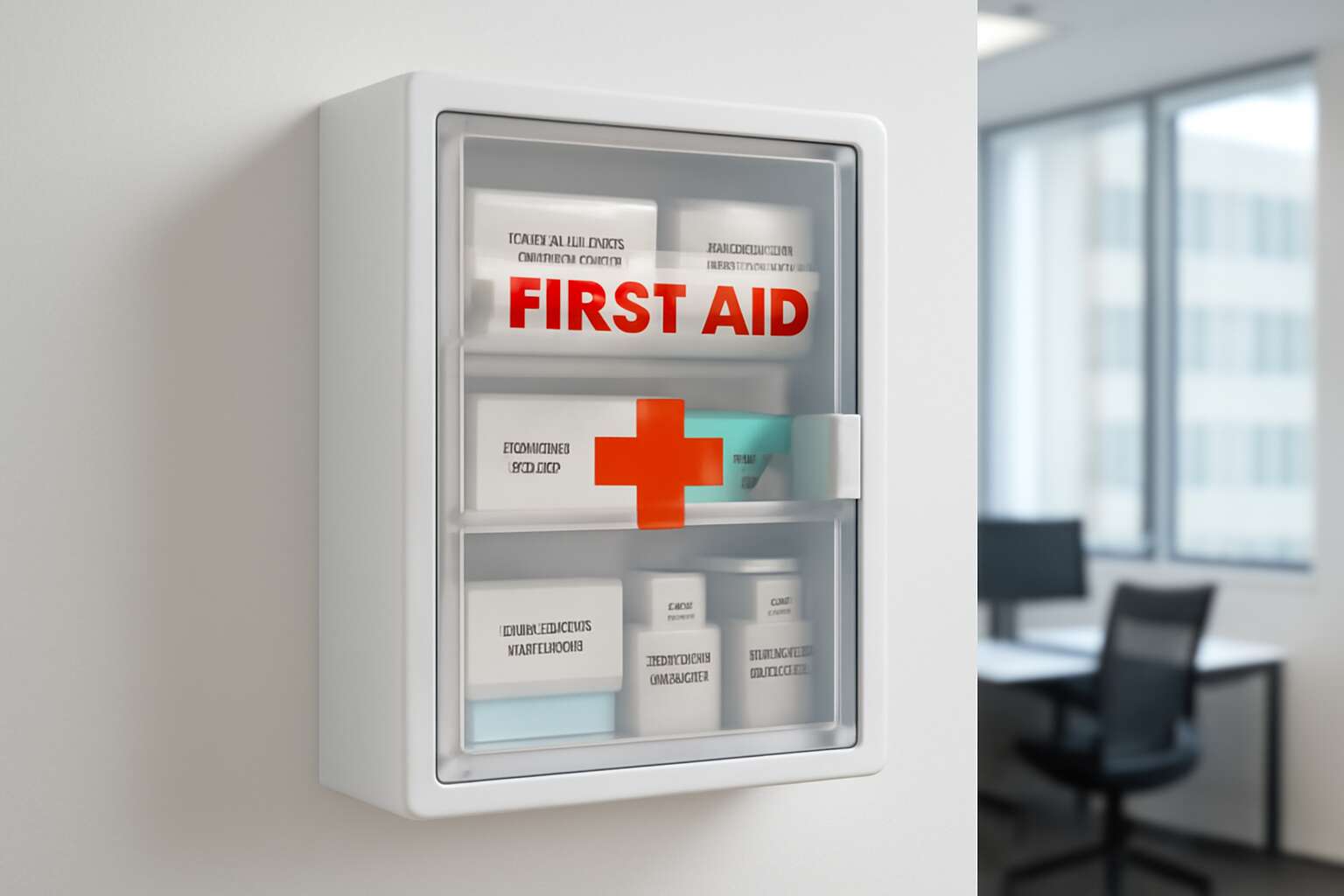
Understanding wall-mounted first aid kits
What is a wall-mounted first aid kit and how it differs from portable kits
More than a few seconds can decide outcomes in emergencies; as one SA safety officer quips, “If you can’t see the kit, you can’t grab the kit.” That’s where a first aid kit wall mount earns its keep—visible, reachable, and never buried behind a filing cabinet.
So what is a wall-mounted kit, and how does it differ from portable kits? A wall-mounted setup is fixed, designed for fast access in a predictable spot; portable kits ride with you where you go.
- Fixed location means quick access and consistent compliance with safety audits.
- Portable kits excel at mobile needs but can be misplaced or left behind.
In SA contexts, choose durable housings, clear labeling, and mounting heights that suit the average adult, and a dependable first aid kit wall mount.
Benefits of mounting a first aid kit on the wall in various settings
In South Africa, every second in an emergency matters. A visible first aid kit wall mount isn’t just a holder; it’s a signal—a call to action that greets you the moment you walk in. A safety officer once whispered, “If you can’t see the kit, you can’t grab the kit.”
Across farms, classrooms, factories, and clinics, stable mounting means quick access, reliable audits, and fewer misplaced supplies. Durable housings, clear labeling, and heights that suit the average adult are often cited as essential elements; the rest is quiet confidence that travels with you.
- Factories and warehouses
- Schools and community centres
- Rural properties and clinics
In daily life, a first aid kit wall mount becomes a quiet guardian, a constant invitation to care in moments of doubt.
Common mounting options and materials for durability
Understanding wall-mounted first aid kits means more than choosing a box; it is a deliberate stance toward safety. In South Africa’s bustling spaces—from farms to clinics—the first aid kit wall mount communicates readiness at a glance. A visibly mounted unit invites action, reducing hesitation when every second counts.
Common mounting options include solid wall anchors for brick or concrete, wooden studs for classrooms, or recessed brackets for storage rooms. Materials that endure South African wear include:
- Powder-coated steel brackets for rust resistance
- Stainless steel housings for damp or dusty spaces
- High-density polyethylene shells for impact resistance
For durability, select tamper-resistant fasteners, gasketed seals, and UV-stable finishes to withstand sun and heat; position at a height accessible to the average adult and easy to reach in emergencies.
Choosing the right size, cabinet versus pouch, and visibility
Seconds matter. Across South Africa’s busy spaces—farms, clinics, classrooms—a wall-mounted first aid kit signals readiness at a glance and steadies the room when pressure builds. The sight of a fixed unit invites action, turning panic into practiced response. Truly, it becomes a quiet guardian!
Understanding size, cabinet versus pouch, and visibility hinges on space, risk, and traffic. A well-chosen first aid kit wall mount balances capacity with access.
- Size: compact for corridors; larger for workshops
- Cabinet vs pouch: protection vs flexibility
- Visibility: high-contrast labeling and icons
In South Africa, durability and legibility are non-negotiable; a sun-friendly display keeps safety at hand even in heat and dust.
Features to look for in a wall-mounted first aid kit
Durable cabinet materials and weather or impact resistance
In busy spaces, a first aid kit wall mount is more than a shelf—it’s a fast lane to care. When every second counts, grabbing the kit should feel effortless, not a scavenger hunt. A well-placed unit keeps supplies within arm’s reach where they’ll actually be used.
Durable cabinet materials and weather or impact resistance top the shortlist. Look for a first aid kit wall mount with:
- Powder-coated steel or high-impact polymer construction for dent resistance and corrosion protection
- Weather sealing, UV-stable plastics, and dustproof design for outdoor or sunlit areas
- Tamper-evident seals and a lockable compartment to protect contents between shifts
Beyond hardware, SA environments—from Cape Town’s salty air to the inland heat—test durability. A sturdy unit with reinforced hinges and legible labeling keeps essentials ready. A reliable first aid kit wall mount signals preparedness and respect for safety.
Clear labeling, accessibility features, and quick-access cues
“Every second counts,” echoes from rural clinics across SA. A well-chosen first aid kit wall mount makes readiness visible, turning a moment of stress into swift action.
Beyond materials, labeling and access shape daily use. Seek clear labeling, legibility, and quick-access cues that frontline teams notice at a glance.
- Clear labeling with high-contrast fonts and pictograms
- Accessible height and uncomplicated opening mechanisms
- Color-coded sections and intuitive arrangement for fast discovery
In South Africa’s varied landscapes, from city offices to rural workshops, these features help safety become a lived habit, not a last-ditch scramble.
Content compliance with OSHA/ANSI standards and refill indicators
Features to look for in a wall-mounted system center on clarity, accessibility, and lifecycle signaling. A design with OSHA/ANSI compliance markings and visible refill indicators keeps stock levels obvious at a glance, turning maintenance from guesswork into routine. In South Africa’s diverse workplaces, this visibility helps staff act with calm precision when every second counts, making the first aid kit wall mount a trusted anchor in safety.
Key attributes include:
- OSHA/ANSI compliance labeling and documentation for all components
- Clear refill indicators and a viewing window to show remaining items and expiry dates
- Tamper-evident seals and simple, reliable opening mechanisms
Security features and tamper-evident design considerations
In emergencies, seconds matter, and a robust first aid kit wall mount keeps the kit secure and reachable, like a lighthouse guiding a crowd in a busy corridor. Look for security features that deter tampering while staying simple to operate, so staff can respond with calm precision in South African workplaces.
Key tamper-evident and security features:
- Tamper-evident seals that clearly indicate access attempts
- Locking system with anti-pry features and durable latches
- Reinforced, weather-resistant cabinet materials that resist corrosion
- Concealed hinges to minimize tampering with the opening
These protections keep the system trustworthy under demanding conditions.
Installation and placement best practices
Ideal locations by setting: home, office, school, or industrial
A well-placed first aid kit wall mount is not mere hardware; it’s a quiet pledge that help is near when chaos temporarily hijacks the day in a South African home, office, school, or industrial floor. Mount it at accessible height—the first aid kit wall mount keeps sightlines calm and fingers ready to respond without a scavenger hunt.
Ideal locations by setting include:
- Home: near entrances and common gathering spaces
- Office: beside break rooms and main corridors
- School: in admin corridors, gymnasiums, and library hubs
- Industrial: at loading bays and maintenance rooms
Always balance visibility with sensible security; clear labeling and quick-access cues suit every setting, from the suburban kitchen to the factory floor, where ordinary days demand extraordinary readiness.
Reliable mounting methods and hardware selection for permanence
A sturdy first aid kit wall mount is more than hardware—it’s a promise that help is near when chaos hijacks the day. In South Africa, quick access to a well-secured kit can shave precious seconds off response times—experts cite up to 40% faster action when kits are mounted for instant reach. A well-placed mount keeps sightlines calm and fingers ready—no scavenger hunt on site—whether you’re in the kitchen, office, or workshop.
- Assess wall substrate—brick, concrete, or plaster—and choose anchors rated for permanence.
- Use corrosion-resistant screws and a sturdy backplate for daily wear.
- Position at accessible height with clear sightlines and minimal clutter.
For durability, select hardware suited to the environment—masonry anchors for brick, toggle bolts for hollow walls—and ensure the mounting plate supports the kit’s weight without flex. A well-considered first aid kit wall mount blends security with accessibility, turning drills into practiced confidence.
Signage, visibility, and zoning guidelines for fast access
In South Africa’s busy workplaces, a well-placed first aid kit wall mount can shave seconds off response. Experts note up to 40% faster action when the kit sits within arm’s reach and remains visible. Installation and placement practices keep it accessible and calm amid chaos.
Signage and visibility guide fast access, as steady as moonlight. Use high-contrast labels, clear arrows, and simple zoning so the route is obvious from any doorway. Include a short cue list to prevent crowding the wall:
- Eye-level placement with unobstructed reach
- 1 meter floor clearance
- Color-coded zones and symbols
Zoning for fast access in kitchens, offices, and workshops means naming zones and keeping the mount away from heat, moisture, and heavy traffic. The placement should align with exit routes and drills, never isolated.
Maintenance routines: inventory checks and replenishment scheduling
In South Africa’s busy workplaces, the first aid kit wall mount isn’t a luxury—it’s a pledge of reliability. Experts note up to 40% faster action when it’s within reach. Proper installation embraces solid anchors and a discreet, accessible stance that blends with the space, letting responders move with confidence rather than guesswork when seconds count.
Maintenance rests on consistent inventory checks and a measured replenishment rhythm. Regular reviews catch expired items and missing supplies, keeping the unit ready for drills and real events alike, and reinforcing trust across teams without turning maintenance into a distraction.
Smart care means both placement and upkeep work in tandem, sustaining safety culture and calm under pressure.
Maintenance, compliance, and optimization for ROI
Staying compliant with current standards and certifications
Maintenance, compliance, and ROI blend like sunlight and shade in a well-ordered workplace. A first aid kit wall mount keeps vigilance visible, converting mere compliance into a daily habit. When the site hums with routine checks and trained eyes, response times improve and risk smoothing becomes poetry in motion!
Staying aligned with current standards and certifications safeguards your organization and your people. Regular audits become conversations, not stumbling blocks, and the ROI grows as stock accuracy and restocked items reduce waste and emergency downtime. In this light, inventory discipline is a quiet multiplier for performance.
Replenishment strategies and supplier considerations
In South Africa’s bustling workplaces, every heartbeat counts when safety is needed. “Stock on hand is time saved,” a Johannesburg safety officer once said, and a well-placed first aid kit wall mount makes readiness a daily rhythm rather than a chore.
For ROI-driven replenishment, align stock with real usage, minimize waste, and partner with dependable suppliers. Replenishment strategies include:
- Just-in-time replenishment with clear reorder points
- Vendor-managed inventory to cut admin and improve visibility
- Data-driven forecasting using past usage and seasonal trends
Choose suppliers who offer responsive lead times and transparent restocking indicators, ensuring your first aid kit wall mount stays critical and compliant. A thoughtful supplier ecosystem converts maintenance rituals into sustained performance, sparing downtime and elevating safety outcomes.
Cost-saving tips, warranties, and lifecycle planning
In South Africa’s bustling workplaces, “Stock on hand is time saved,” a Johannesburg safety officer once said. Maintenance of the first aid kit wall mount becomes routine: a quick daily visibility check, a weekly seal and tamper-evidence scan, and a monthly restock audit ensure nothing is missed. When access remains immediate, compliance follows naturally.
For ROI, treat maintenance as a lifecycle investment: warranties on mounting hardware, durable cabinet materials, and modular add-ons cut future costs. Opt for service plans that cover parts and restocking indicators, and plan replacements before wear disrupts access. This mindset turns safety upkeep into predictable performance.
- Warranties that cover the first aid kit wall mount and hardware.
- Predictive maintenance reminders to prevent downtime.
- Scalable upgrade paths for future kit configurations.
By aligning warranties, maintenance schedules, and upgrade paths, you keep the first aid kit wall mount resilient, ready, and compliant without surprise expenses.
Common installation and usage pitfalls and troubleshooting
The maintenance heartbeat of the first aid kit wall mount keeps every heartbeat safe. In South Africa’s fast-paced environments, neglect isn’t neutral—it rustles the risk. A quick daily check, a weekly seal scan, and a monthly stock audit aren’t chores; they’re ROI in action, turning downtime into resilience and compliance into confidence.
When the system works as a single organism, problems whisper instead of shouting: misaligned doors, worn screws, or dim visibility cues. A dim light, misplaced indicator, or loose bracket can cascade into downtime. Troubleshooting flows from simple sanity checks to proactive exchanges under warranty, preserving access and redrawing the cost envelope in your favor.
- Poor mounting hardware or corrosion that compromises strength
- Inconsistent labeling or hidden compliance indicators
- Hidden tamper-evident seals that obscure access history
Optimisation emerges when maintenance, compliance checks, and upgrade paths align—keeping the first aid kit wall mount ready, compliant, and quietly profitable.

0 Comments