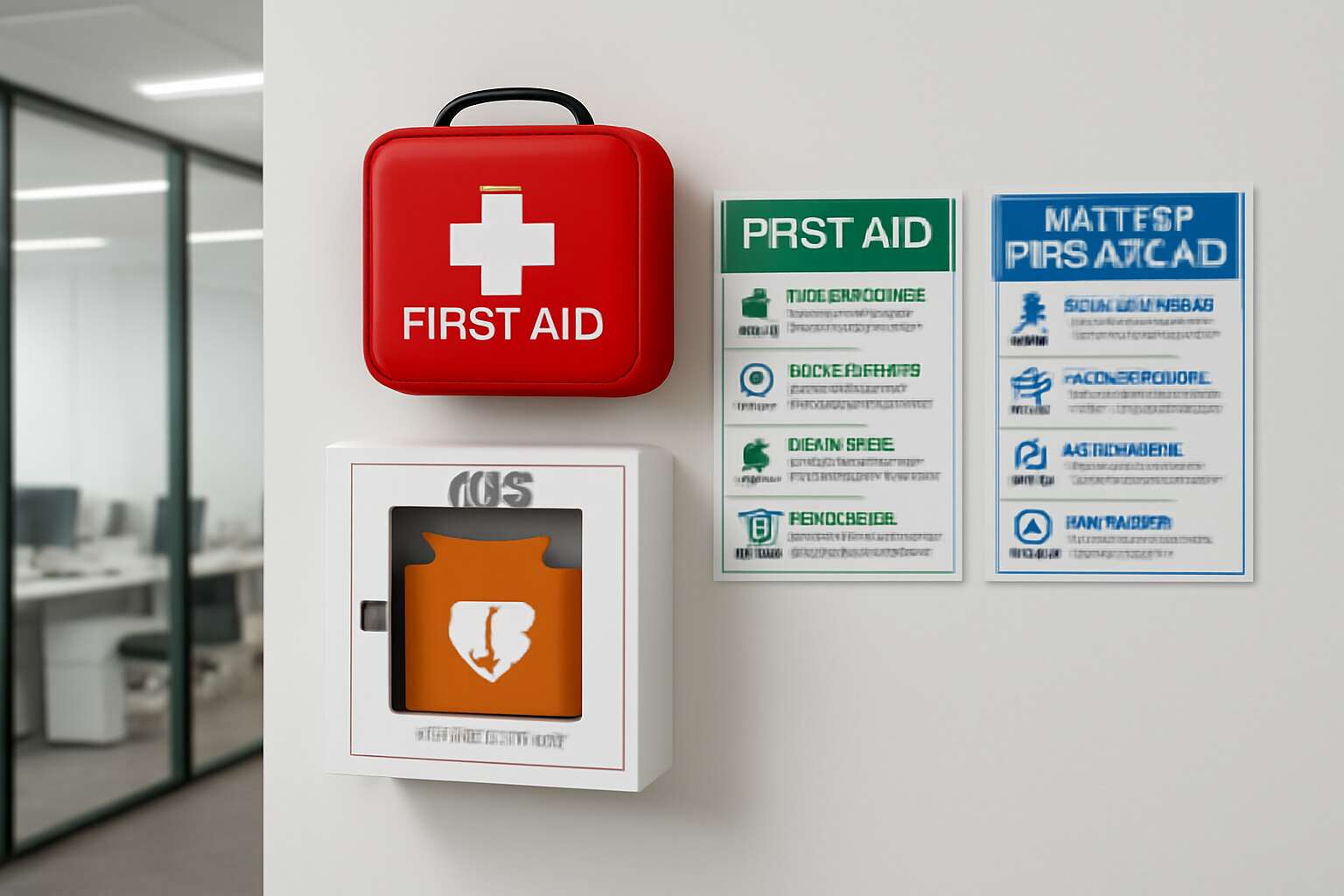
Regulatory foundations for workplace first aid
Legal requirements by jurisdiction
In South Africa, readiness is more than policy—it’s a lifeline stitched into the workday. When first aid responders are trained and accessible, calm replaces chaos, and every heartbeat finds a measure of safety.
Regulatory foundations for workplace first aid are not mere checkmarks; they form the spine of duty. The Occupational Health and Safety Act (OHSA) and its regulations demand risk assessments, appointment of competent first aiders, a stocked first aid box, and clear incident records. This framework anchors your company first aid requirements in tangible, enforceable practice.
Legal requirements by jurisdiction tilt with local practice, but the melody remains: protection, training, access. For a concise cross-check, consider:
- South Africa: OHSA informs first aid staffing and kit levels.
- United Kingdom: First Aid Regulations guide facilities and responders.
- United States: OSHA requires accessible first aid supplies and trained personnel.
Minimum first aid provisions by law
Regulatory foundations for workplace first aid in South Africa are not mere policy; they are the quiet architecture of safety, echoing through every shift. One minute can be the difference between calm and chaos when a responder is nearby and a kit is within reach. The law shapes these expectations into tangible, enforceable standards that keep people whole and underscore company first aid requirements.
Minimum provisions by law crystallize into practical essentials that enable rapid, competent action without bottlenecks. Consider the core pillars below:
- Accessible, clearly marked first aid supplies located in high-traffic zones
- Trained personnel with defined roles and refreshers
- Documented incident records and routine reviews to improve the response chain
Meeting these baselines in South Africa is not optional ornamentation but a living contract with safety at the core of everyday operations. When respected, company first aid requirements become a steady compass, not a display.
Duties of employers and responsible individuals
Time is tissue—every second counts when a responder is near and a kit is within reach! In South Africa, regulatory foundations for workplace first aid shape those moments into orderly action within the framework of company first aid requirements.
Employers and responsible individuals bear duties to establish governance that assigns roles, maintains visibility of kits in high-traffic areas, and keeps records of incidents to refine the response chain. The goal is a steady, predictable cycle of accountability rather than chaos in crisis.
- Appoint qualified first aid personnel with defined roles
- Provide ongoing training and refreshers aligned with risk
- Document incidents and review outcomes to close gaps
Beyond formal duties, the real work is cultivating a safety culture where leadership, access, and clear communication sustain a safe, ready workplace!
Documentation and reporting requirements
Regulatory foundations for workplace first aid in South Africa frame every action around accountability and transparency. Documentation and reporting requirements ensure that every scrape, strain, or more serious injury is traced, reviewed, and learned from, rather than forgotten.
- Incident registers with date, time, location, and persons involved
- Evidence of first aid administered and any prescribed follow-up actions
- Kit checks, stock levels, and expiry dates for quick access
These records feed audit trails, support swift communication, and help refine response chains, reinforcing a practical sense of safety that slips into daily operations. Ultimately, adhering to these documentation and reporting norms underpins the broader company first aid requirements.
Designing a compliant first aid program
Workplace risk assessment and need analysis
Across South Africa, 1 in 5 workplaces report gaps in first aid readiness, affecting uptime and morale. A thoughtful first aid stance is more than compliance—it’s resilience in action. The concept of company first aid requirements becomes a living framework, guiding risk perception on every floor. Design honors practicality and humanity, turning stress into care.
In workplace risk assessment and need analysis, elements must reflect actual exposure and human realities, not abstract checklists. The following components commonly align with mature, compliant programs:
- Clear roles and training paths for responders
- Accessible kits, refreshers, and emergency communication
- Regular drills and equipment checks tied to risk profiles
The result is a design where safety culture threads through governance, and audits feel like meaningful conversations rather than boxes to tick. When company first aid requirements are lived, spaces become calmer, and teams move with confidence through the unpredictable.
First aid kit contents and maintenance
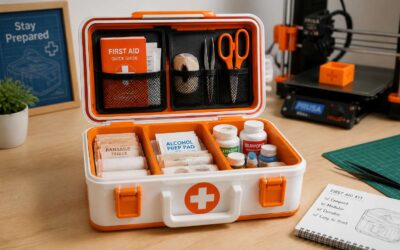
Across South Africa, 1 in 5 workplaces report gaps in first aid readiness. Designing a compliant first aid program begins with practical first aid kit contents and maintenance, and a disciplined rhythm that keeps them current. Kits must be accessible on every floor and calibrated to risk, inviting quick, calm action rather than rummaging chaos.
- Adhesive bandages in a range of sizes
- Sterile gauze pads and non-stick dressings
- Antiseptic wipes and cream
- Disposable gloves and a CPR face shield
- Scissors, adhesive tape, and a thermal blanket
- First aid manual and emergency contact card
Maintenance is where design becomes duty. Rotate stock before expiry, record checks, and conduct visual audits monthly. Train a core cadre of responders and assign clear location signage so anyone can respond under pressure. This approach aligns with company first aid requirements.
Staff training and certification requirements
South Africa’s workplaces still grapple with readiness; roughly one in five environments lack timely first aid training when a real emergency arrives. Designing a compliant first aid program starts with staff training and certification that stays current and verifiable. The aim is a calm, capable response—an aura of competence that prevents chaos—while aligning with company first aid requirements.
Key elements include:
- Accredited training providers recognized under South African occupational safety standards
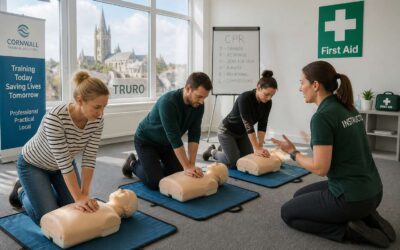
- Mandatory CPR and AED certification with verifiable credentials
- Regular refresher courses to maintain proficiency
- Record-keeping and certification audits to prove compliance
In this design, the emphasis shifts from checklists to culture, ensuring that certification status is not a museum piece but a living badge worn by every first aider.
Appointment of designated first aiders and roles
One in five South African workplaces stalls when emergencies hit. That delay costs seconds that matter. A compliant first aid program starts with appointing designated first aiders and clear roles that stay current and verifiable. The goal is calm, capable action that fits South Africa’s company first aid requirements.
Designating responders means mapping roles to shifts and sites, so coverage never falls silent. Roles must be visible, trained, and easy to audit. The structure below keeps response immediate and organized.
- Designated first aider: primary on-site responder.
- Deputy first aider: backs up the lead and covers absences.
- First aid coordinator: tracks training and equipment readiness.
With defined roles, the first aid culture becomes tangible—daily practice, not a document. Teams know who steps up, where to go, and how to record actions, keeping the response steady under pressure. This aligns with company first aid requirements.
Emergency communication and incident response protocols
In South Africa, one in five workplaces stalls when emergencies hit, costing seconds and calm under pressure. Designing a compliant first aid program is more than a binder; it’s a nimble system with clear signals, trained responders, and an auditable trail. This is how we align with company first aid requirements.
Emergency communication and incident response protocols should be fast, unambiguous, and verifiable. Define who alerts whom, how alarms are triggered, where muster points are, and how actions are logged so regulators can audit with a smile rather than a frown.
- Establish alarm and notification steps
- Identify responders and shifts for continuous coverage
- Require immediate incident logging and post-incident review
Drills and debriefs turn policy into practice, ensuring calm, capable action when it matters most.
First aid equipment and supplies management
First aid kits, cabinets, and resuscitation equipment
In the bustling corridors of South African workplaces, preparedness shines as a quiet compass. Properly managed first aid equipment and supplies can tilt the odds toward safety when trouble brews, and rapid access to resuscitation gear dramatically improves outcomes in cardiac incidents. This article guides the stewardship of the gear that keeps people safe within the framework of company first aid requirements.
First aid kits, cabinets, and resuscitation equipment must be organized, labeled, and maintained with the same care you give to a project deadline. The rhythm of checks, restocks, and functional tests creates an efficient safety workflow, supporting both trained responders and the untrained alike. Aligned with company first aid requirements, the layout should enable quick access, accurate inventory, and clear accountability for every item.
- Clearly labeled kits at strategic points
- Secure, weatherproof cabinets that guard contents
- Functional resuscitation gear (AEDs, masks, gloves)
Defibrillators placement and maintenance
In the heartbeat of South African workplaces, defibrillators are not ornaments but rapid life-saving tools. Placed for fastest possible access, AEDs turn anxious seconds into hopeful outcomes, a core facet of company first aid requirements that prioritises swift, confident action over hesitation.
- Strategic placement in high-traffic zones
- Clear signage and accessible routes
- Visible maintenance indicators and expiry alerts
Beyond placement, the durability and reliability of the equipment mirror the safety culture that steadies teams when moments demand calm, coordinated response.
Personal protective equipment and wound care supplies
In South African workplaces, the quiet shelf of PPE and wound care supplies can be the margin between disruption and decisive care. When kept with steady discipline, this inventory becomes a shield that keeps teams moving and minds calm, even when pressure mounts. This is a pillar of company first aid requirements.
Within this system, personal protective equipment and wound care supplies form a living safety net.
- Gloves, masks, eye protection, and gowns
- Antiseptics, wipes, and disinfectants
- Sterile gauze, bandages, dressings, and tapes
- Burn gel and antiseptic cream
- Scissors, tweezers, and cleaning brushes
The storage discipline and clear labeling reflect a culture of preparedness; a single overlooked item can ripple through a shift, challenging response times and eroding confidence.
Supply inventory, expiry tracking, and restocking
In South African workplaces, a well-stocked first aid kit can shave minutes off an emergency—minutes that save lives. This isn’t optional; it is a cornerstone of company first aid requirements.
Effective management keeps kits ready and reliable. Regular reviews prevent shortages when time matters and prevent waste from expired items.
Key actions to embed into the system:
- Inventory checks scheduled and assigned to a responsible person
- Expiry tracking with alerts ahead of date
- Restocking guided by usage, risk, and shelf life
With proper expiry tracking and disciplined replenishment, response times stay sharp and staff morale remains intact.
Workplace readiness and continuous improvement
Regular drills, inspections, and audits
Regular drills turn chaos into choreography—crucial in South Africa’s diverse workplaces. Readiness is not a one-off ritual but a living practice that tests responses and sharpens judgment. Within the framework of company first aid requirements, safety becomes second nature, an instinct grown through repetition and honest feedback!
Workplace readiness and continuous improvement thrive where drills, inspections, and audits form a steady rhythm. Gaps become learnings, and learnings become better practices across shifts and departments.
- Regular drills that simulate common incidents
- Inspections of first-aid stations and access routes
- After-action reviews distilling lessons into practice
These exercises stitch resilience into the fabric of operations, aligning everyday tasks with a broader safety ethic. In South African workplaces, the human element—communication, calm under pressure, mutual aid—transforms policy into practice and turns compliance into care.
Incident reporting, investigation, and corrective actions
An orange sunrise over a rural South African workshop reminds me that safety is a living thing. A well-timed report can cut recovery time and save a life. “Report fast, heal faster,” a veteran supervisor likes to say, and the truth behind that line rings louder after every shift.
- Prompt, factual incident reporting: who, what, where, when, and any injuries.
- Focused investigations to uncover root causes and contributing factors, with input from those on the floor.
- Actionable corrective steps, owners, and deadlines, plus a follow-up to confirm effectiveness.
Done well, this continuous loop strengthens readiness and embodies the spirit of company first aid requirements—care in action, not just policy on a shelf.
Policy review schedules and procedure updates
Readiness is a habit, not a file. In South Africa, we’ve learned that proactive policy reviews keep safety alive on every shift. We’ve seen how timely updates turn care into practice, not paperwork—and how the phrase company first aid requirements anchors us to action, not slogans. I’ve witnessed on the floor that clear schedules and accountable owners make improvements real.
- Quarterly review dates with owners and sign-off
- Updates logged, distributed, and retrievable
- Lessons from incidents embedded into procedures
- Training aligned with each update
- Staff feedback and audits informing revisions
This continuous loop makes readiness visible, actionable, and trustworthy. It’s ordinary work with a political edge—holding people to accountability and ensuring every update saves time, not just time on a sheet!
Employee awareness, accessibility, and signage
In the tapestry of a busy floor, readiness is a quiet guardian rather than a dusty file. Workplace rituals become spells that keep teams safe, where employee awareness grows through constant visibility and accessible information. Signage speaks in clear language—bold fonts, bright contrast, and intuitive icons—so action happens before a siren even sounds.
- High-contrast emergency signs positioned at decision points for quick recognition
- Multilingual and pictorial signage spanning language and literacy gaps
- Designs that ensure visibility and legibility across all shifts and lighting conditions
These cues fuel a continuous improvement loop, turning awareness into practiced response. Within the framework of company first aid requirements, signage becomes more than a reminder; it is a compass that guides behavior and anchors safety in daily routines.
Contractors, visitors, and external personnel safety procedures
“Safety is a practice, not a policy.” On bustling South African sites, where contractors, visitors, and external personnel mingle with daily rhythms, readiness acts as a quiet backbone. Inductions, clear routes, and urgent communication become second nature, turning safety into ritual rather than a checklist. Aligning with company first aid requirements, teams speak a shared language, making emergency steps feel natural rather than a chore.
Essentials for contractors, visitors, and external personnel:
- Pre-entry briefings and inductions establish safety expectations before work begins on site.
- Sign-in, escorting, and hazard disclosures provide accountability and real-time risk awareness.
- Site-specific PPE and reporting channels support early incident detection and corrective action flow.
These measures fuel a continuous improvement loop, aligning on-site behavior with local compliance and safeguarding every entry point into the workplace.


0 Comments