Fundamental reasons for first aid readiness
Pulse steadies when preparation hums in the background. A first aid kit becomes a lighthouse in a moment of fog, guiding nerves and possibly saving a life. ‘Safety begins with readiness’—a motto that travels from home to workplace, across South Africa’s varied scenes—the quintessence of practical care. The simple act of having a kit ready translates into calmer outcomes and clearer choices, even when chaos whirls around a crowd!
- Immediate care that prevents injuries from worsening
- Less panic and clearer decision-making
- Trust and teamwork surge when help is nearby
So, why do we need first aid kit? Readiness threads safety through daily life, from suburban kitchens to busy construction yards, turning small acts into the first steps toward recovery—for you.
Key components to include in a first aid kit
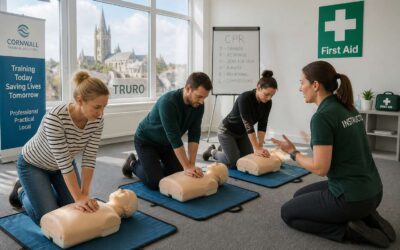
Prompt CPR can double or triple survival chances, a stark reminder that first aid is not a spectator sport. For South Africa’s homes, offices, and roadside businesses, a well-stocked first aid kit translates training into action when seconds matter and nerves fray.
So, why do we need first aid kit? Readiness turns potential chaos into measured response, helping to prevent injuries from worsening and easing panic in crowded spaces.
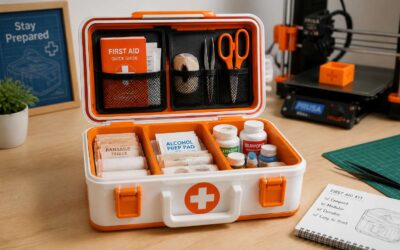
- Bandages and gauze for quick closures
- Antiseptic wipes and cream to clean wounds
- Sterile gloves for hygiene
- Scissors and tweezers for minor tasks
- CPR mask or shield for safety
In workplaces from mining camps to clinics, across South Africa’s diverse landscape, these basics form the spine of practical care and empower everyday people to act when help is distant.
Choosing and maintaining a first aid kit
Every second counts in a medical emergency. For South Africa’s homes, offices, and roadside workplaces, a well-planned kit turns potential chaos into calm. So, why do we need first aid kit? Readiness translates training into decisive action when nerves fray.
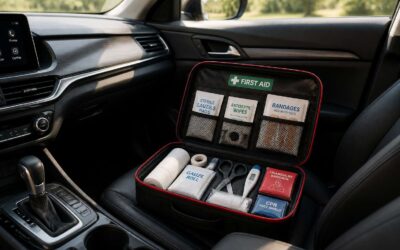
Choosing starts with space, size, and how easily it is to reach in a hurry. Look for a sturdy case that’s simple to open, labels that stay readable, and contents you’d actually use.
- Compact, portable design
- Clear labeling and expiry tracking
- Weather and dust resistance
- Accessible placement
Maintenance is ongoing. In diverse settings—from mining camps to clinics—expiry dates must be tracked and items refreshed. Keep the kit accessible, check it alongside site safety reviews, and appoint a single contact so help is distant only in geography, not in care.
With thoughtful selection and regular care, a first aid kit becomes more than a box. It becomes a signal that safety is serious, and that people look out for one another when the moment comes.
First aid kit use cases and scenarios
In South Africa’s bustling mix of homes, offices, and roadside sites, calm hands beat chaos. Every second after an injury can tilt outcomes toward recovery or regret. This is a core question: why do we need first aid kit? Preparation translates into decisive action when nerves fray.
Consider these real-world moments where a kit changes the arc:
- A kitchen burn during braai prep at home.
- A slip or cut in an office corridor.
- A roadside breakdown or mining camp emergency.
In each case, readiness radiates care and steadiness, transforming a tense pause into a moment of clear, humane action that keeps people safe and connected.

0 Comments