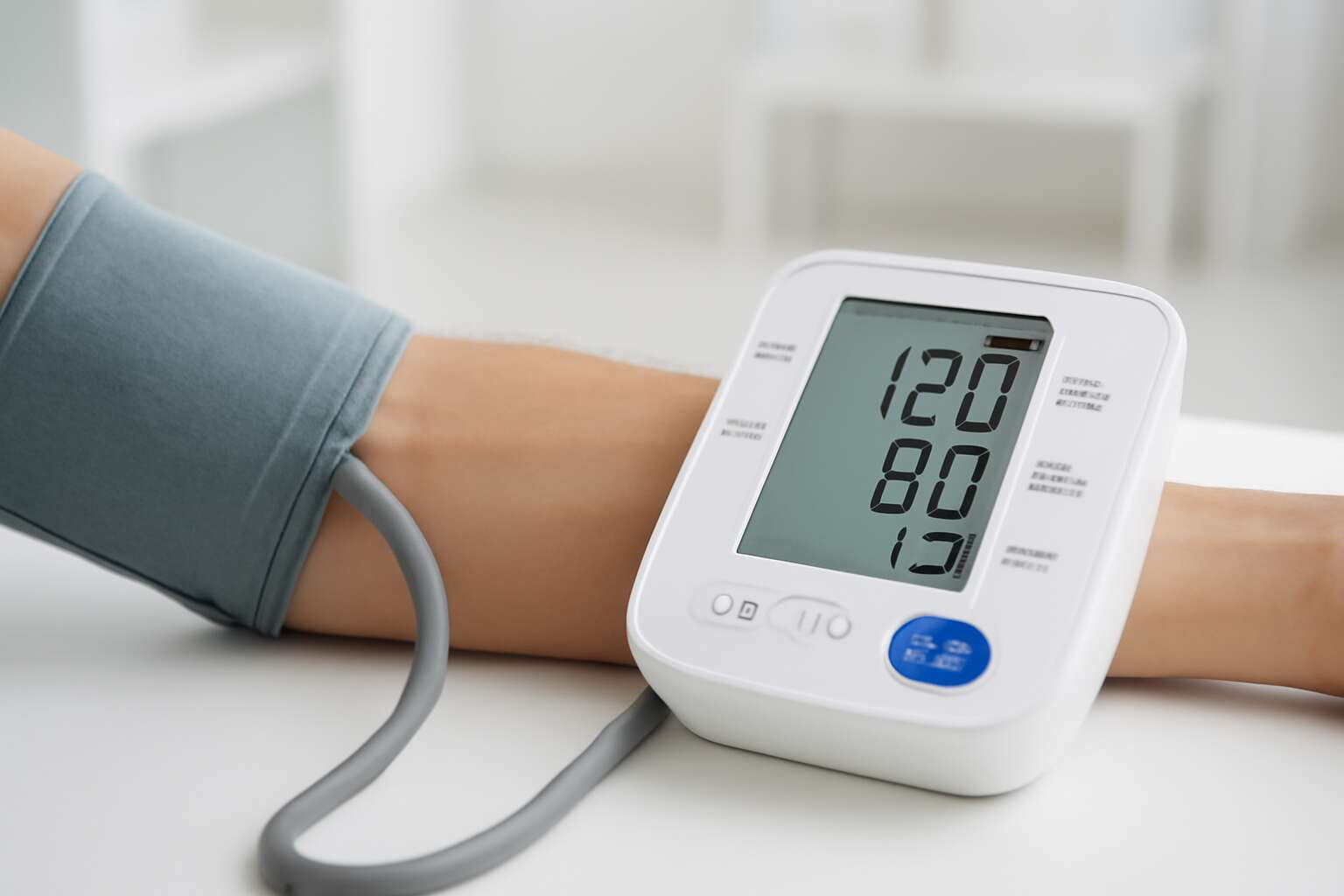
Understanding Immediate Care for High Blood Pressure Episodes
Signs That a Hypertension Episode Is Occurring
Globally, one in three adults has hypertension, and South Africa mirrors this quiet pressure. In a heartbeat, a spike can loom like a shadow at the doorway. Understanding hypertension first aid means reading the early whispers before they scream.
When an episode is underway, the body signals with a pounding head, blurred vision, chest tightness, or breathlessness. Dizziness, nosebleeds, or sudden confusion can accompany these moments. Each sign is a note in a dark symphony, urging vigilance.
- Severe headache
- Blurred or impaired vision
- Chest pain or tightness
- Shortness of breath
- Sudden confusion or dizziness
In the presence of signs, the aim is to preserve calm and seek professional assessment. The focus is on comfort and clarity, not on at-home remedies, as skilled care determines the next cadence of treatment.
When to Check Blood Pressure at Home
When the pulse climbs and the room tilts toward red, the instinct is to sprint for a fix. Yet immediate care thrives on restraint—measuring, assessing, and listening to the body’s own weather report. In the quiet between symptoms, decisions about home checks become part of proactive care: not reckless experimentation, but a measured awareness. The mind steadies first; the body follows! Reading readings is not a victory lap but a chance to anchor care in time.
Home monitoring can play a role, but it should be framed by a clinician’s guidance and local South African health considerations. If symptoms worsen or new signs appear, professional care is essential rather than speculation. This is central to hypertension first aid in everyday life: a calm, informed approach that respects limits and avoids misreading the body’s signals.
Distinguishing Urgent vs Emergent Symptoms
One in three adults live with hypertension, a quiet tide that can surge without warning. Across the heartbeat’s quiet corridors, concern can tip into crisis. In hypertension first aid, the mind becomes a careful observer, parsing the body’s signals rather than chasing panic. Distinguishing urgent from emergent symptoms is the compass: not every pressure spike demands a siren, yet some whispers demand professional eyes. When the weather shifts—headache, dizziness, pressure that won’t ease—care tightens around time and context.
To parse the difference, consider this:
- Urgent symptoms: persistent headache, shortness of breath with activity, or chest pressure.
- Emergent symptoms: sudden weakness or numbness on one side, speech difficulty.
That is hypertension first aid in action.
In South Africa, local health realities shape responses to rapid change.
Quick Decision Guide for Home Care
Understanding Immediate Care for High Blood Pressure Episodes is a quick decision guide for home care. In South Africa’s shifting health landscape, calm, measured action beats panic every time. hypertension first aid hinges on fast, clear assessment—recognize what’s under control, what needs a pause, and when to summon professional eyes.
Practical steps you can take at home include:
- Sit down, rest, and breathe slowly to lower acute tension.
- Check blood pressure with a validated device and record the reading, time, and any symptoms.
- Avoid caffeine, tobacco, and heavy meals; recheck in 5–10 minutes if readings are borderline.
- Call a health professional if readings stay high or if new urgent symptoms appear.
In South Africa’s clinics, community health workers, and telehealth networks, the aim remains stabilisation and timely advice. These steps reflect practical, grounded care in a changing landscape.
Recognizing Symptoms, Triggers, and Risk Factors
Common Symptoms of a Hypertensive Crisis
Pressure can rise like a summer storm, and in South Africa, hypertension first aid hinges on noticing the quiet signals before they surge. Roughly one in three adults live with high blood pressure, a statistic that makes vigilance feel like a quiet vow—readiness over reaction.
Recognizing triggers helps you bend the curve before it hardens. I have learned to listen for subtle cues that precede a spike: Triggers include:
- Acute stress and anger
- Caffeine and alcohol
- Excess salt and dehydration
- NSAIDs and decongestants
- Sleep deprivation
Risk factors—what makes escalation more likely—include age, family history, obesity, diabetes, kidney disease, and a sedentary lifestyle.
Common symptoms of a hypertensive crisis signal danger. In hypertension first aid, recognizing these symptoms is crucial:
- Severe headache
- Blurred vision
- Chest pain or shortness of breath
- Confusion
Known Triggers and Lifestyle Contributors
In South Africa, roughly one in three adults carries the burden of high blood pressure, a statistic that makes vigilance a quiet daily vow. Recognizing symptoms—especially the subtle cues that precede a spike—is the first act of hypertension first aid. I’ve learned to listen for the body’s whispers rather than waiting for loud alarms, a habit that often keeps people stable through small, manageable moments.
Known triggers and lifestyle contributors include:
- Acute stress and anger
- Caffeine and alcohol
- Excess salt and dehydration
- NSAIDs and decongestants
- Sleep deprivation
Risk factors that tilt the odds toward escalation include age, family history, obesity, diabetes, kidney disease, and a sedentary lifestyle. Acknowledging these factors makes prevention a deliberate practice rather than an improvised response.
Populations at Higher Risk
Within hypertension first aid, the first whisper of trouble often hides in plain sight. In South Africa, one in three adults bear the weight of high blood pressure, and the body’s subtle signals can steer a crisis before it fully unfolds.
Recognizing symptoms means listening to the body’s whispers: a creeping headache, a fluttering pulse, lightheadedness, or a tense jaw that won’t release. These cues arrive quietly, inviting awareness before a spike tightens the room.
Triggers drift in—acute stress, caffeine and alcohol, sleep debt, and dehydration moments—but they’re only part of the map. Populations at higher risk include older adults, those with family history, and individuals facing obesity, diabetes, or kidney disease; acknowledging them makes prevention feel like a navigable quest rather than a gamble.
How to Track Blood Pressure Regularly
In South Africa, one in three adults carry the silent weight of hypertension, and the body’s whispers can stage a crisis before it fully unfolds. This is hypertension first aid in action.
Recognizing symptoms means listening to the body’s whispers rather than letting fear hijack the moment. Subtle shifts—pressure behind the eyes, a quickened pulse, or jaw tension—signal that calm attention is needed.
- Quiet signals that emerge between normal readings
- Patterns that repeat over days or weeks
- Consistency in context improves understanding
Triggers and risk factors form a broad map. Acute stress, caffeine, dehydration, and sleep debt drift through the scene, while age, family history, obesity, diabetes, and kidney disease cast longer shadows.
Regular tracking turns readings into a story; keep a steady rhythm, note the context, and share trends with a clinician when patterns rise from the noise.
Immediate Response Steps and Safety Measures
Step by Step Actions During a Suspected Episode
Across South Africa, hypertension touches nearly one in three adults, a quiet drumbeat that can surge without notice. A brief, hopeful spell: a measured moment where calm returns and the day resumes its rhythm. The moment of episode deserves a steady, compassionate response.
Staying by the side, a calm presence guides them to sit with back supported and breathe slowly. A simple, respectful sequence can steady the moment:
- Remain seated in a comfortable position and keep the environment quiet.
- Encourage slow, deep breaths and a gentle inhale through the nose, exhale through the mouth.
- Call for medical help if symptoms persist or worsen, and notify a trusted person nearby.
Safety measures extend beyond the moment—avoid salt and caffeine, keep the room cool and well ventilated, and note any changes in how they feel until care arrives. This is the essence of hypertension first aid.
How to Monitor Vital Signs Safely at Home
Across South Africa, hypertension quietly accompanies nearly one in three adults, a pressure that’s easy to miss until it demands attention. In the home, recognizing how to respond and monitor becomes a form of gentle stewardship—a practical, humane practice that can prevent crises and sustain daily rhythm!
Immediate response steps are less about dramatics and more about steady, safe observation. Choose a validated, cuff-style monitor and measure at roughly the same time each day in a quiet environment. Keep a simple log and note how you feel.
- Validated devices for accuracy
- Consistent logging and symptom notes
Safety measures extend beyond numbers: maintain a calm space, avoid stimulants like caffeine, and seek medical advice if readings rise or symptoms appear. This approach embodies hypertension first aid, turning home monitoring into informed, compassionate care.
When to Call Emergency Services or Seek Immediate Care
Hypertension first aid isn’t dramatic; it’s a quiet pact with time. When pressure tips toward danger, the humane move is stillness—sit, breathe, observe. Use a validated cuff-style monitor and measure at roughly the same time each day; log not just numbers but how you feel, because context matters in South Africa’s home environment.
Immediate response steps involve staying composed and observant. If readings rise, repeat after a few minutes, and create a calm space; avoid stimulants; drink water and rest.
- Chest pain or severe shortness of breath
- Sudden confusion, weakness, or speech changes
- Very high readings (e.g., 180/120) persisting after rest
In safety terms, maintain a calm space, step away from caffeine and salt, and seek medical advice if readings stay high or symptoms appear. If alarming signs emerge, call emergency services.
Do’s and Don’ts During a High Blood Pressure Episode
In the quiet hours of a hypertensive moment, the mind slows and the body speaks in measured breaths. Hypertension first aid hinges on restraint, not drama: sit, breathe, observe, and log the numbers alongside how you feel—context matters in South Africa’s home environments.
Immediate response steps center on composure and mindful monitoring.
- Do stay seated, rest, and breathe slowly.
- Do use a validated cuff-style monitor and log readings at roughly the same time each day.
- Don’t smoke or drink caffeine or high-sodium foods during the episode.
- Don’t ignore persistent high readings or alarming symptoms; seek medical advice.
If alarming signs emerge, such as chest discomfort or trouble breathing, call emergency services without hesitation. A calm space, reduced stimulation, and clear communication with healthcare professionals are essential in any hypertension response.
Tools, Medications, and When to Use Them
Home Monitoring Equipment You Need
Hypertension first aid isn’t drama—it’s daily defense. A steady hand and the right gear can tilt the odds in your favor when blood pressure spikes threaten your day. In South Africa, staying prepared means practical tools, good humour, and clear-headed routine.
Tools that travel well include a validated automatic blood pressure monitor with an appropriately sized cuff, a reliable timer, and a tidy space to take readings. Keep a log nearby so patterns reveal themselves without turning your kitchen into a weather station.
Medications should be taken exactly as prescribed—no improv in the moment. Have a current medicine list on hand and a clinician’s contact number. A small, organised stock reduces stress when numbers rise.
When to use them and the home monitoring equipment you need: Regular checks support steady care. Use the monitor to document values for safe sharing with your clinician. Essential gear:
- Automatic BP monitor with adjustable cuff
- Reliable timer or clock
- Notebook or app for readings
- Scale for weight tracking
Common Medications for Acute Management and Long-Term Control
As hypertension first aid, the right tools bring clarity across South Africa. A validated automatic BP monitor with an adjustable cuff, a reliable timer, and a quiet space to log readings form your daily cockpit. Tools you’ll want:
- Automatic BP monitor with adjustable cuff
- Reliable timer or clock
- Notebook or app for readings
Medications should be taken exactly as prescribed. Keep a current medicine list and clinician’s contact number to reduce stress when numbers rise. Common Medications for Acute Management and Long-Term Control include:
- Diuretics to reduce fluid volume
- ACE inhibitors or ARBs to relax vessels
- Calcium channel blockers for steady control
- Beta-blockers for heart rate management
When to Use Them: Ongoing care hinges on steady data and guided decisions. Use your monitor to document patterns and keep your clinician informed. This framework supports hypertension first aid in daily life and long-term control.
- Pattern documentation
- Clinician communication
- Medicine list maintenance
Proper Medication Use: Dosing, Interactions, and Safety
Tools matter in hypertension first aid. A validated automatic BP monitor with an adjustable cuff, a reliable timer, and a quiet space to log readings form your daily cockpit. Tools you’ll want, especially in South Africa:
- Automatic BP monitor with adjustable cuff
- Reliable timer or clock
- Notebook or app for readings
Medications should be taken exactly as prescribed. Common Medications for Acute Management and Long-Term Control include:
- Diuretics to reduce fluid volume
- ACE inhibitors or ARBs to relax vessels
- Calcium channel blockers for steady control
- Beta-blockers for heart rate management
When to Use Them: Ongoing care hinges on steady data and guided decisions. Use your monitor to document patterns and keep your clinician informed. This framework supports hypertension first aid in daily life and long-term control.
- Pattern documentation
- Clinician communication
- Medicine list maintenance
Proper Medication Use: Dosing, Interactions, and Safety. Take medicines exactly as prescribed, keep a current medicine list and clinician’s contact number to reduce stress when numbers rise, and watch for interactions with over‑the‑counter drugs, alcohol, or herbal remedies. Store meds as directed and check expiry.
Storage, Handling, and Accessibility of Medications
In South Africa, hypertension affects nearly one in three adults, a silent risk that can flare into a crisis without daily preparedness. The right tools turn fear into action in hypertension first aid.
Tools to keep your home care cockpit ready:
- Automatic BP monitor with adjustable cuff
- Reliable timer or clock
- Notebook or app for readings
Medications should be taken exactly as prescribed. Treatment relies on medicines that reduce fluid volume, relax vessels, and stabilize heart rate. Keep a current medicine list and your clinician’s contact number to reduce stress when numbers rise. Watch for interactions with over‑the‑counter drugs, alcohol, or herbal remedies.
Storage, handling, and accessibility of medications are essential. Store meds as directed, protect them from heat and moisture, and check expiry dates. Keep them in a place accessible to you or a trusted caregiver, and maintain a current list of drugs and dosages. Have your clinician’s number on hand and consider pharmacist or clinic contacts to ensure steady access during outages or travel.

0 Comments