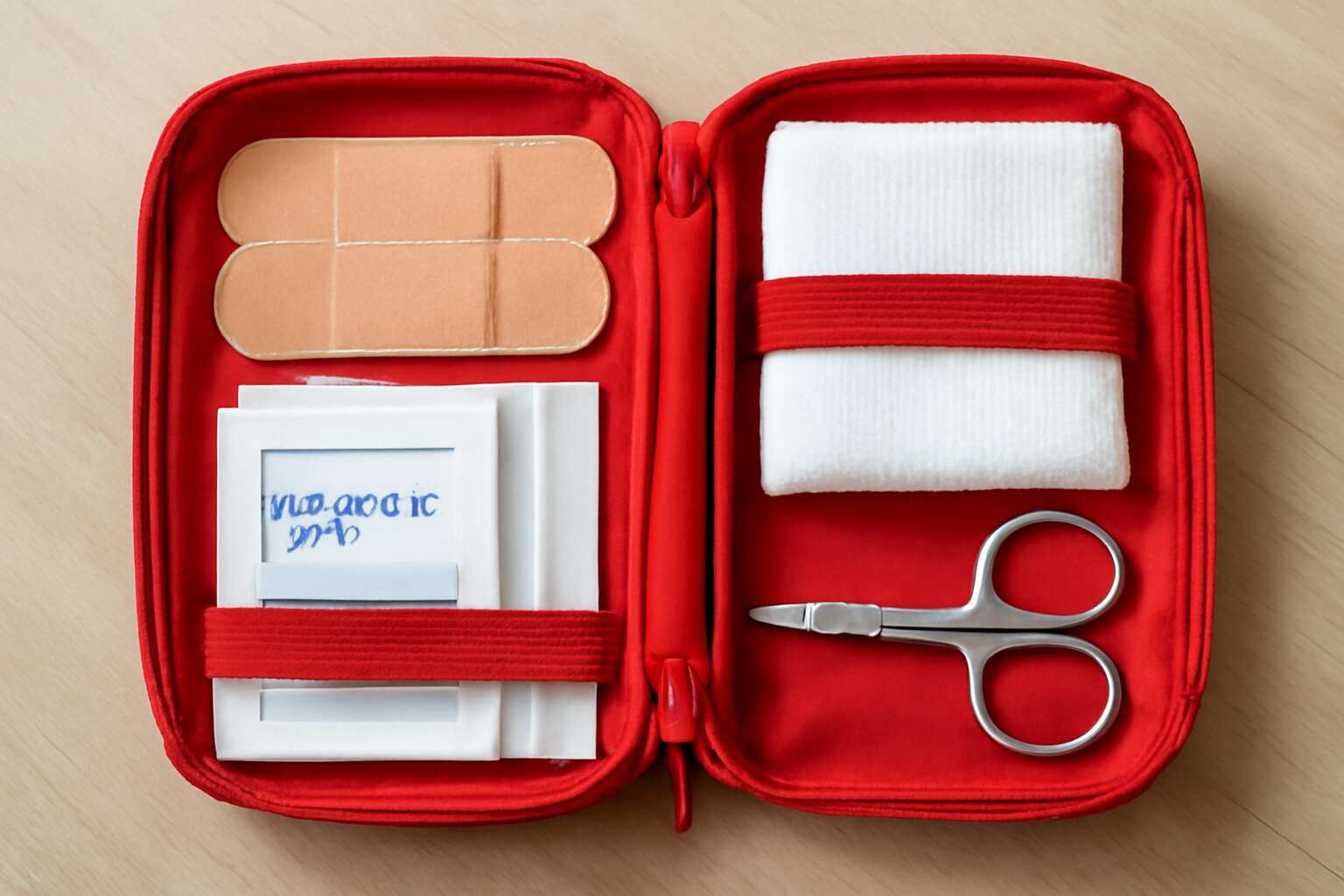
Bandage Basics for First Aid Kits
Common Bandage Types and When to Use Them
In South Africa, a calm, prepared response can be the difference between a troublesome bruise and a quick recovery. Bandage choices in a first aid kit do more than cover wounds; they shape outcomes in the crucial minutes after an incident. That’s why first aid kit bandage information matters—clear guidance when nerves run high and a box of dressings awaits. I’ve seen how the right bandage can quiet the storm in a single moment.
Bandage Basics highlights the common types and when to use them. The right wrap protects, cushions, and keeps dressing integrity intact:
- Adhesive bandages — sterile pads with a flexible sticky strip for small cuts
- Cohesive gauze wraps — self-adhering, stretchy wraps that stay in place
- Triangular bandages — versatile for slings, improvised immobilisation, or securing gauze
Each option serves a niche need—tiny cuts, movement, or immobilisation—helping you decide when to use them without hesitation.
Understanding Sterile vs Non-Sterile Bandages
Across the dust-worn roads of rural South Africa, a calm hand and the right bandage can turn a scuffle into safety within minutes. That truth underpins first aid kit bandage information—the clarity you reach for when nerves fray and time ticks on.
Sterile bandages arrive sealed, intended for fresh wounds where infection risk looms. Non-sterile options, while clean, are suited to routine coverage and situations where dressings will be in place longer, offering dependable protection without the sterile glow.
Consider these basic distinctions as you assemble a kit, so the right choice is ready at a moment’s notice:
- Sterile bandages for open cuts and clean wounds
- Non-sterile wraps for general covering and longer wear
- Pre-packaged dressings for quick access in busy settings
With this understanding, first aid kit bandage information becomes a quiet partner in the field—reassuring, human, and practical.
Sizing and Coverage Tips for Small and Large Wounds
Every minute counts when a wound bleeds! In the field, the right bandage choice can turn panic into calm and speed the road to safety. This is part of first aid kit bandage information you can trust.
Bandage sizing matters. For small wounds—fingers, toes, minor nicks—a narrow strip at 1.5 to 2 cm keeps pressure without pinching. For larger surfaces, a 5 cm-wide wrap offers broader coverage and better protection. In rural South Africa, where clinics may be miles away, getting sizing right can buy time. Use breathable fabric and avoid tight straps that cut circulation.
- Finger or toe wounds: 1.5–2 cm strips for precise coverage
- Limbs and larger surfaces: 5 cm wide with ample length for full coverage
- Joints and contoured areas: longer rolls and gentle tension to fit complex shapes
How Bandages Help with Bleeding Control
Bandages are quiet, essential surgeons of the everyday. In a heartbeat, a bandage becomes salvation—a strip of fabric that can calm panic and slow blood loss. “Speed is the bandage’s best ally,” a frontline nurse once whispered, and that truth travels from crowded wards to rural clinics across South Africa. This is the heartbeat of first aid kit bandage information, where preparation meets possibility.
Bandages do more than cover skin. They apply pressure, shield wounds from infection, and cradle the body’s own clotting, turning chaos into calculation. Breathable fabrics, modest stretch, and considerate sizing matter, letting healing unfold while preserving circulation and dignity.
Consider these baselines when selecting a bandage for your kit:
- Sterile packaging and intact seals
- Breathable fabric with gentle elasticity
- Appropriate width for balanced coverage
Such choices translate to calm and control when time is tight.
Selecting and Stocking Bandages in a First Aid Kit
Choosing Adhesive, Stretch, and Non-Adherent Dressings
A striking statistic anchors every SA home: quick access to the right bandages can cut pain and delay in half during minor injuries. That’s where first aid kit bandage information becomes practical—clarifying choices for adhesives, stretch fabrics, and non-adherent dressings.
Adhesive dressings should strike a balance between grip and skin comfort, favor breathable, latex-free options. Stretch bandages provide flexible compression without constriction, while non-adherent dressings shield wounds without sticking to the wound bed, easing removal in urgent moments.
- Adhesive dressings with skin-friendly backing
- Stretch bandages for versatile coverage
- Non-adherent dressings for sensitive wounds
These categories map neatly onto everyday South African scenarios, ensuring readiness without overcrowding the kit, and maintaining the balance between cost, accessibility, and care in first aid kit bandage information.
What to Include for Different Scenarios
In a SA household, speed matters—having the right bandages within reach slashes downtime on minor injuries. “Preparation is mercy in motion” lives in this corner of the pantry, where first aid kit bandage information quietly guides what to stock and where to store it.
Stocking should be broad, not bulky. For everyday bumps, a handful of adhesive dressings and sterile pads cover most scrapes; for heat and dust outdoors, an elastic wrap earns its keep. The essentials:
- Adhesive dressings (latex-free, breathable)
- Non-adherent dressings
- Sterile gauze pads
- Elastic crepe bandages
- Medical tape
- Scissors
Different scenarios in SA demand balance between cost, accessibility, and care—keep labels clear and packs small enough to fit in a glovebox. That practicality is the backbone of arranging bandages, aligning with common SA needs.
Labeling and Expiration Tracking for Bandages
Across South Africa, the moment a minor scrape or a gravelly cut appears, speed matters. Proper selection becomes poetry in motion, turning a tense moment into calm. That is where first aid kit bandage information guides what to label and expire, shaping a system that keeps essentials fresh and reachable.
To stock smartly, keep it compact and legible. Here is a simple framework for labeling and expiration:
- Clear expiry dates on every package
- Batch or lot numbers when present
- Storage in a cool, dry place, shielded from direct sunlight
With a swift glance, you know what to grab, what to replace, and what to tidy away—a steady chorus that suits SA households and outdoor adventures alike.
Budget-Friendly vs Professional-Grade Bandages
In South Africa, a quick response can turn a scraped knee into a minor mishap. That’s where first aid kit bandage information becomes a compass, guiding smart stocking and reliable access when outdoor days or home emergencies flare up! It’s about balance, cost, and readiness.
- Budget-friendly: compact packs, clear labels
- Coverage: mix sterile and non-sterile options
- Longevity: reasonable shelf life and storage
Professional-grade bandages earn their keep when durability, sterility, or heavy use is expected. They tend to resist moisture, maintain adhesion, and endure rough handling on hikes or work sites. Here, accuracy of material specs matters, driving trust in every wrap and dressing.
Ultimately, selection hinges on context — budget constraints, activity level, and space. The right blend satisfies the guidance without inflating costs or compromising safety.
Application Techniques and Safety
Applying Bandages Correctly to Stop Bleeding
Bleeding can flare in seconds, and the right technique buys time. “Speed saves lives,” EMS teams remind us. When applying bandages, aim for a clean, controlled approach: place a sterile pad over the wound, press firmly to start stopping the flow, and then cover with a bandage to hold pressure. Use non-adherent dressings when possible to minimize sticking on removal. The goal is to seal the wound while preserving distal circulation: too tight can cut off blood flow; too loose invites rebleeding. This is central to first aid kit bandage information.
Safety is non-negotiable. Use gloves, handle clean materials, and monitor the area after application.
- Keep the pad in place and avoid rewrapping without reassessment
- Ensure the wrap is snug but not constrictive
- Check distal color, warmth, and sensation regularly
Alternative Techniques for Difficult Areas
Speed saves lives. In rural South Africa, a calm, clean approach to wounds can mean the difference between minutes and relief arriving on foot. This is the heart of first aid kit bandage information—where practical care translates into real resilience when help is a little way off.
Application techniques begin with a clean pad over the wound, then firm initial pressure, and a wrap that holds pressure without constricting circulation. Non-adherent dressings reduce sticking and ease removal, even when heat and dust complicate the scene.
Safety is non-negotiable—gloves, clean materials, and vigilant monitoring after application. For difficult areas, padding and anchor points can prevent slip and undue pressure without cutting circulation.
- Keep the pad in place
- Check distal color, warmth, and sensation regularly
- Avoid rewrapping without reassessment
Common Mistakes and How to Avoid Them
Every minute counts when a wound bleeds in the bush—calm hands and careful compression can buy critical seconds as help travels on foot. In first aid kit bandage information, the right pad, a firm yet forgiving wrap, and a non-adherent dressing keep the wound clean and the bearer mobile amid dust and heat. The rhythm is simple: cleanse, shield, and anchor without strangling circulation, even when conditions test skill and resolve.
- Over-tightening can numb extremities and slow aid—choose steady, even pressure.
- Sticking issues are minimized with non-adherent dressings that release cleanly.
- Always check distal color, warmth, and sensation before and after adjusting the wrap.
Safety remains the quiet drumbeat—gloves, clean materials, and vigilant monitoring after application. For awkward areas, padding and anchor points prevent slip without constriction, keeping the pad in place until reassessment. This approach embodies first aid kit bandage information in practice, turning a tense moment into measured care when help is still off the beaten track.
Caring for Wounds Before Bandaging
Every minute counts when a wound bleeds in the bush or on a windy veld. In those tense moments, the right start matters: read your first aid kit bandage information, cleanse what you can, and prepare a stable base for movement. A clean pad, a non-adherent dressing, and a gentle, accurate wrap keep the bearer mobile amid dust and heat—calm hands set the rhythm.
- Cleanse with clean water or sterile saline from the kit, removing debris before dressing.
- Place a non-adherent pad directly over the wound to protect tissue.
- Wrap with steady, even tension, securing the pad without cutting off circulation.
Safety remains essential: gloves on, fresh materials ready, and constant monitoring after application. For awkward areas, padding and anchor points prevent slip while maintaining comfort. Caring for Wounds Before Bandaging requires patience and vigilance—reassessing the wrap as conditions change will keep the patient safer until help arrives.
Hygiene and Contamination Prevention
In the bush, a clean pad and a quiet wrap can turn panic into progress. first aid kit bandage information guides every move, shaping choices from cleansing to covering. A calm, methodical approach keeps the patient safe as dust swirls and heat rises.
Application techniques hinge on hygiene and a vigilance against contamination. Fresh materials, intact packaging, and a clean workspace are not optional; they are your border between infection and healing. In South Africa’s veld, wind-fed particles test every wrap—steady hands and mindful handling make all the difference. I’ve learned that a well-sealed, sterile-looking pad is more forgiving than any quick knot.
Respect expiry dates and never reuse compromised items.
Maintenance, Replacement, and Compliance
Storing Bandages in Your Kit for Longevity
Guardians of healing’s tiny sanctum know longevity begins with mindful care. A well-tended kit outlasts the fiercest storms; a neglected one falters when a moment counts. A field medic’s quip rings true: “even the humblest bandage carries a promise when it’s kept.” That promise rests on steady maintenance and respectful replacement, all tempered by local safety standards and the cadence of practice.
In this spirit, the stewardship of bandages rests on a few elevated pillars:
- Compliance-centered labeling and traceability
- Clear documentation of stock levels and shelf life
- Visible, intuitive organization for rapid access
Storing bandages for longevity is about aligning with the wider body of first aid kit bandage information and regulatory expectations, especially across South Africa’s varied environments. For caretakers, this approach preserves readiness and peace of mind.
Regular Audits and Expiration Checks
Maintenance preserves the potency and sterility of dressings; in the quiet, aging spaces of care, it becomes a moral act to keep supplies ready for the moment when fear meets recovery. Across South Africa’s clinics, farms, and homes, first aid kit bandage information takes shape as a living standard, not just a label.
Replacement is a discipline of respect: old bandages replaced with new ones carries the promise of reliability, the knowledge that readiness isn’t optional. It is a quiet oath to those who will depend on the kit when the environment tests them.
Compliance Regular Audits and Expiration Checks anchor the kit in lawfulness and trust. Audits, even when inconspicuous, confirm that stock lines remain intact, traceable, and ready for action.
Guidelines for Replacing Used or Damaged Bandages
In South Africa, readiness is a daily responsibility in clinics, farms, and homes. first aid kit bandage information sets the rhythm for keeping essentials ready when recovery is possible. The pulse of preparedness lives in orderly supplies and calm checks.
Maintenance keeps dressings potent and sterile. Regular checks confirm shelf life, seal integrity, and correct storage—out of heat, away from contaminants, in clearly labeled containers.
- Rotate stock using FIFO to minimize waste.
- Replace compromised or damaged bandages immediately.
- Document changes for traceability.
Replacement is a quiet act of respect. When bandages show wear, curled edges, or damaged seals, swap them for new ones. Replacements maintain readiness and trust, turning a routine swap into a safeguard.
Compliance guidelines anchor the kit in law and trust. Routine audits and expiration tracking ensure stock lines remain intact and traceable. This is where first aid kit bandage information guides policy, shaping responsible stewardship across South Africa’s care spaces.
Regulatory and Safety Considerations for First Aid Kits
In South Africa’s clinics, farms and homes, maintenance is more than tidy shelves—it’s daily protection. Regular checks keep dressings potent and sterile: verify shelf life, test seal integrity, and store away from heat and contaminants in clearly labeled containers. A calm routine ensures supplies stay ready when recovery becomes possible.
Replacement is a quiet act of respect. When bandages show wear, damaged seals, or curling edges, swap them for fresh ones. This small, deliberate act preserves readiness and trust, turning a routine swap into a safeguard that supports daily care across South Africa’s clinics, farms, and homes.
Compliance guidelines anchor the kit in law and trust. Routine audits and expiration tracking ensure stock lines remain intact and traceable. This is where first aid kit bandage information guides policy, shaping responsible stewardship across South Africa’s care spaces.

0 Comments