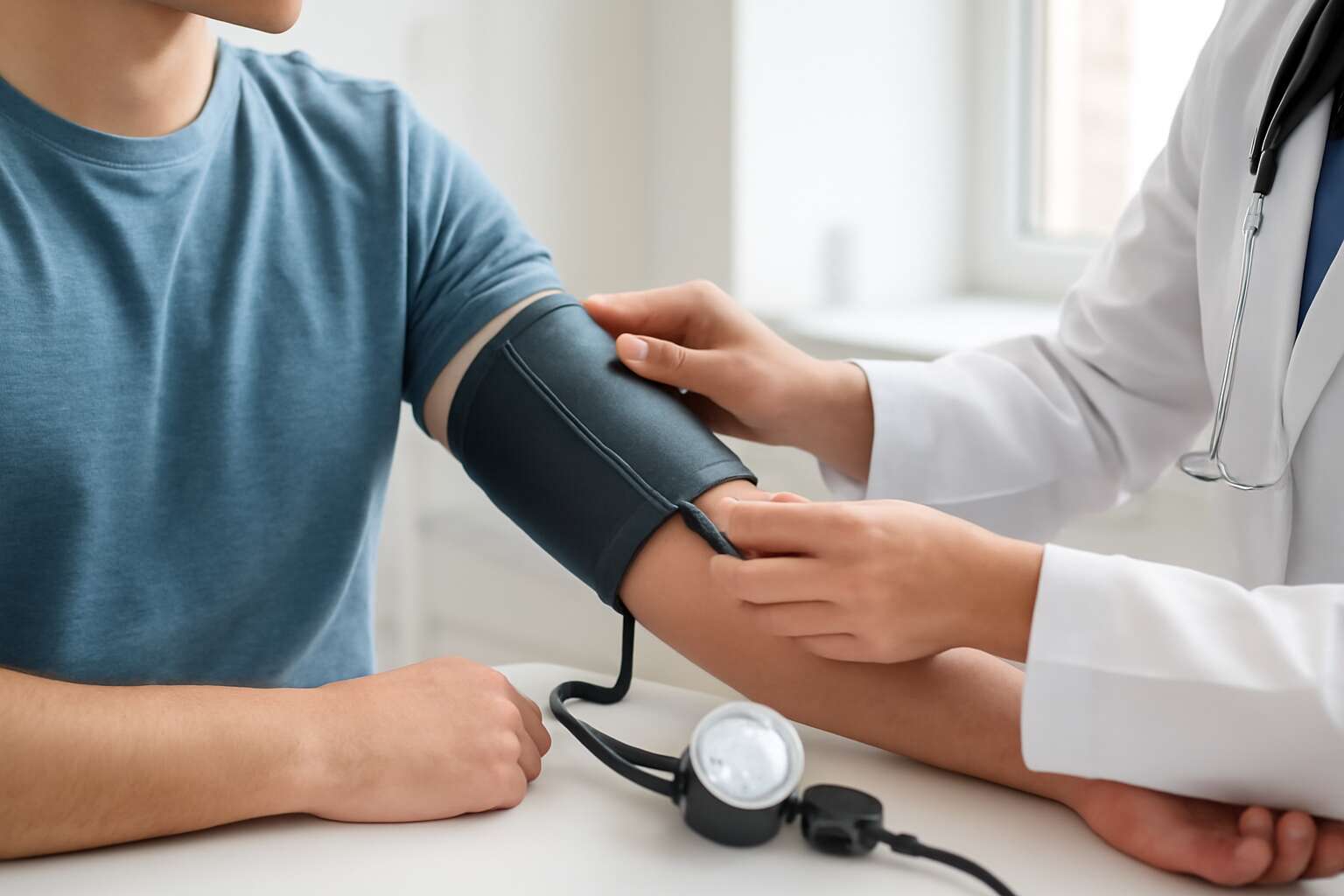
Comprehensive hypertension first aid guide
Understanding Hypertension and the Concept of First Aid
Across South Africa, roughly one in three adults live with hypertension—a statistic that shapes conversations in clinics and kitchens alike. This hypertension first aid guide reframes the narrative: high blood pressure first aid is less about panic and more about calm assessment and informed support. By exploring first aid through hypertension, readers gain a practical framework that respects the condition and empowers communities to respond thoughtfully.
Understanding hypertension means recognizing it as a persistent condition that quietly alters risk. The concept of first aid, in this light, becomes a precautionary mindset—a way to acknowledge symptoms and connect people with local health networks.
In this view, first aid becomes a bridge between science and daily life, a lens that honours patient dignity while guiding informed support across SA communities.
Recognizing Signs and When to Act
South Africa’s health stats hit hard: roughly one in three adults live with high blood pressure, often without fireworks or sirens. In the frame of high blood pressure first aid, recognizing that symptoms may hide in plain sight is essential—it’s not panic, it’s observation, and it invites calm, measured action.
Keep an eye out for signals that something’s nudging the blood vessels out of balance. Consider the following signs, which merit attention if they appear or persist:
- Persistent headaches, especially on waking
- Blurred or double vision
- Chest tightness or shortness of breath
- Dizziness or confusion
- Severe anxiety or a pounding in the neck
These cues demand evaluation by a health professional; recognizing when to act helps communities interpolate science into daily life without overreacting.
Immediate Action Steps for Suspected Hypertensive Crisis
In South Africa, one heartbeat can conceal a brewing storm—many carry high blood pressure quietly until urgency arrives. This is high blood pressure first aid: a poised mind, a calm space, and steps that translate fear into decisive care. When the pressure climbs, precision replaces panic and every breath becomes a small victory.
Immediate action steps for a suspected hypertensive crisis:
- Have the person sit, back supported, feet uncrossed, and speak softly.
- If available, check blood pressure and note the reading and any symptoms (headache, shortness of breath).
- Call emergency services right away (112 on mobile) and stay with the person on the line.
- Loosen tight clothing, avoid food or drink unless advised, and wait for professionals.
In the crucial minutes that follow, your calm, purposeful response shapes outcomes.
At-Home Management and Safe Practices
Across South Africa, about a third of adults live with hypertension—a quiet storm that hums beneath ordinary days until urgency arrives. This is high blood pressure first aid: a practice of clarity, not fear, and a discipline of presence rather than panic.
At-home management rests on steady monitoring, professional guidance, and daily choices that shape long arcs of health. A few core pillars anchor safe practices:
- Regular home blood pressure checks and careful record-keeping
- Adherence to a clinician’s plan and ongoing dialogue about symptoms
- Balanced lifestyle choices that support heart health
In this intimate work, the mind becomes an ally, turning worry into attentive care and weaving resilience into routine—an existential steadiness in the face of a capricious cardiovascular rhythm.
Resources, Tools, and Quick-Reference for Caregivers
In South Africa, caregivers shoulder the quiet task of watching a condition that touches one in three adults. A comprehensive resources hub can turn that burden into connection and clarity. This high blood pressure first aid toolkit weaves guides, tools, and quick-reference cards into everyday practice, offering steadiness when the heart writes its own unpredictable rhythm.
Here is a concise menu of resources and tools caregivers can access to support consistent, compassionate care:
- Validated home blood pressure monitors and user-friendly record templates
- Caregiver guides and patient education leaflets from SA health authorities
- Clinic and helpline contacts for rapid coordination and support
- Digital apps that log readings and help identify long-term patterns
- Emergency reference cards and quick-contact checklists for caregivers

0 Comments