Factory Standard Locations Across Models
The Frunk Stash Spot
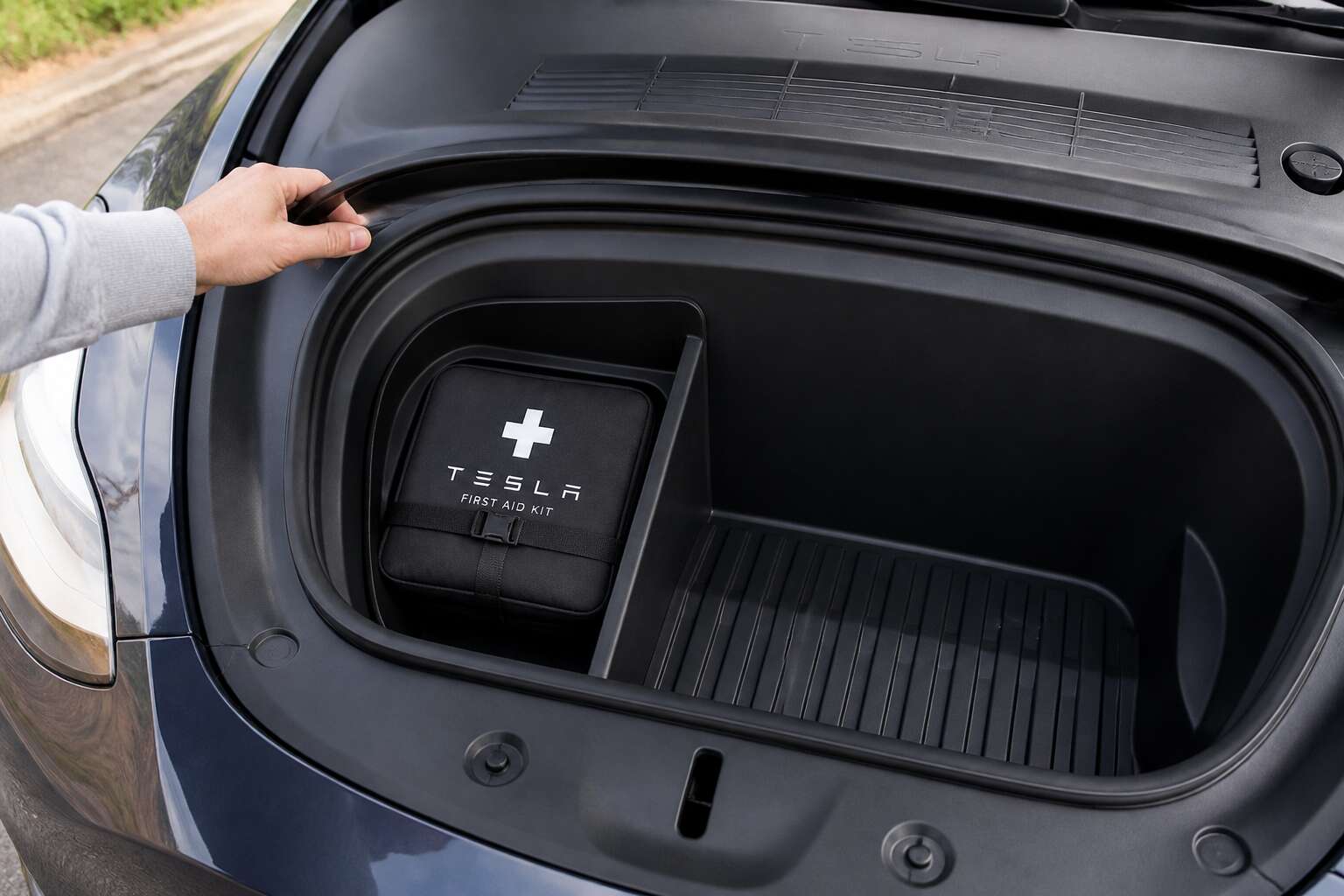
The frunk remains the most consistent answer to where is Tesla first aid kit located across Model 3, Model Y, Model S, and Model X. Tesla places it beneath the removable cargo liner, tucked against the firewall. You lift the carpet, and there it sits, a black zippered pouch holding the basics.
For Model S and Model X, the deep frunk basin makes retrieval straightforward. Model 3 and Model Y owners often miss it because the liner blends into the surrounding trim. I have watched people search the glovebox first, then the door pockets, before finally noticing the recessed handle near the front bulkhead.
The factory position never changes with software updates. That permanence is the one thing you can rely on.
Trunk Compartment Nooks
The trunk compartment is the second place I direct people when they ask where is tesla first aid kit stored. The rear trunk offers distinct nooks that vary by model and year.
In the Model S and Model X, the pouch slides into the deep side cubbies beside the rear wheel wells. Those recesses hold the kit upright, so it stays visible when you open the tailgate. For the Model 3 and Model Y, the kit hides beneath the rear deck carpet, often next to the subwoofer or inside the lower storage well.
- Check the left cubby first on older Model S units
- Look under the trunk floor liner on Model 3 and Model Y
- Inspect the rear cargo rails on Model X
South African owners should verify their VIN, since factory fitment has shifted over the years. The answer to where is tesla first aid kit sits in the trunk, but the exact corner depends on hardware revisions.
Under the Rear Seats
Not every Tesla owner thinks to look beneath the second row. The under-seat zone is an often overlooked area. In many Model 3 and Model Y units, the answer to where is tesla first aid kit lies under the rear bench cushion. You lift the seat base and find the pouch clipped to the floor pan. Model S and Model X sometimes place it in the underseat storage drawer, which slides out toward the door. South African factory fitment varies by build date, so the exact position shifts between years.
- Check beneath the rear seat on Model 3 and Model Y
- Inspect the powered seat rail area on Model S
- Look under the middle row on Model X
Console and Door Panel Areas
Let’s be honest, the first place you’ll look is the center console. And for many owners, that’s exactly where is tesla first aid kit hiding, tucked beside the owner’s manual and a surprising amount of dust. The sliding armrest covers a deep bin, but some Model 3 builds have a smaller tray beneath it, so lift everything out!
Door panel areas are less common but still plausible. The lower door pockets on certain Model Y units have a molded recess, though it usually fits a cloth pouch rather than the hard case.
- Model S: center console front bin
- Model X: door pocket, lower rear
- Model 3/Y: beneath the armrest tray
Factory fitment varies with the build date, so what you find in a 2024 Shanghai unit differs from a Fremont or Berlin one. South African models often follow the European spec, but confirm by feel before dismantling the cabin. If the console and door pockets offer no clue to where is tesla first aid kit, move on.
Model-by-Model Placement Breakdown
Model S and Model X Placement Details
For the Model S, the answer to where is tesla first aid kit involves a game of passenger yoga. It sits in the lower dash cubby, wedged beside the left knee of your front seat companion. Reaching it requires a certain grace, which contrasts nicely with the car’s otherwise effortless demeanor.
Model X, being the larger showpony, hides its kit behind the front passenger seat. You will find a vertical sleeve, almost a secret pocket, that seems designed for a spy film. South African owners should note this placement before loading children or groceries, as that panel is surprisingly easy to overlook. Your local garage might even have a firm opinion on it, but you’ll simply enjoy the hunt.
Model Y Placement Variations
Model Y owners face a peculiar lottery. One vehicle will hide the kit in the boot’s left side cubby, behind a removable panel that feels engineered for concealment. Another, particularly builds from Shanghai destined for Cape Town, tucks it beneath the cargo floor, beside the tyre repair foam. The inconsistency rivals your neighbourhood’s load-shedding schedule.
Should you need to answer where is tesla first aid kit in a Model Y, follow this order of inspection:
- Open the boot and check the left and right side cubbies behind the panels.
- Lift the cargo floor to examine the lower compartment near the repair kit.
- Move to the frunk only after exhausting both boot locations.
The factory’s mood on any given quarter determines your fate, so patience serves better than presumption.
Performance and Long Range Differences
Ask any owner where is tesla first aid kit and the answer depends on which badge sits on the boot lid. Performance trims get a different hiding spot than Long Range versions.
On Model 3 Performance, the kit fits behind the driver seat slide rail, wedged where the seat motor lives. Long Range cars skip that cleverness entirely. You will find the pouch attached to the underside of the parcel shelf, between the fuel flap release and the 12V battery cover.
Performance models from the same factory? They use a velcro pocket inside the tow hook compartment behind the front bumper. Your battery size determines your scavenger hunt.
Cybertruck and Future Models
The Cybertruck changed everything, including the answer to where is tesla first aid kit. Owners must pry open the sail pillar compartment on the passenger side. The pouch rests behind a black elasticity strap, tucked beside the optional compressor. No badge determines the spot here. Every Cybertruck leaves the factory with the same placement.
Future models appear to follow this modular thinking. Tesla’s engineers test each location against crash safety and quick access. The old battery size and trim level clues no longer apply. Consider what we know so far:
– The sail pillar stash suits the angular body structure.
– The frunk remains the backup location in newer prototypes.
– Battery architecture influences every hiding place.
The answer to where is tesla first aid kit grows more complex with each launch. But the pattern holds. Tesla never picks the obvious spot.
Step-by-Step Access Instructions
Opening the Frunk to Retrieve the Kit
A startling number of Tesla owners have never once opened their front trunk, and I was among that quiet majority until a minor roadside mishap forced the issue. The answer to where is Tesla first aid kit often lies behind that large, power actuated panel. To retrieve it, you must first ensure the vehicle is in Park. Then, navigate to the touchscreen, select the frunk icon, and release the latch with a simple tap. The hood will rise with a soft, hydraulic sigh, revealing the expansive storage basin below.
Once the frunk is open, the process becomes purely physical. Locate the manual release cable, a bright orange loop tucked behind the driver side headlight assembly, in case the electronics ever fail. From there, the retrieval is straightforward:
1. Press the release button on the back of the frunk lid.
2. Lift the lid fully and locate the black, soft sided pouch.
3. Slide the pouch out from its Velcro secured position.
You will find the black zippered pouch secured near the centre, nestled against the firewall. It is not glamorous, but it is pragmatic. This designated spot ensures the essentials stay anchored during sudden stops and sharp cornering, which is precisely where you need them most. The kit contains the usual bandages, antiseptic wipes, and trauma shears, all packaged in a slim profile that maximises your precious cargo space.
Removing Trunk Floor Panels Safely
If you are hunting for where is tesla first aid kit, the trunk floor often holds the answer, but only after you master the panel removal process. Start by clearing the cargo area completely. Then, locate the plastic pull handle near the rear of the floor board. I have watched several owners tug far too hard at that handle, which never ends well.
Lift firmly but gently; the panel is held by friction clips, not brute force. To remove it safely, follow these steps!
- Set the panel aside on a soft surface to avoid scratching the paint.
- Check the recessed compartments on either side of the subfloor.
- Look for the slim black pouch, often tucked beside the tyre repair kit.
Replacing the panel is the reverse, but align the tabs first to prevent cracking the trim. That is where is tesla first aid kit waits for the determined owner.
Accessing Behind the Rear Seats
Folding the rear seatbacks forward exposes a narrow cavity that most owners never inspect. I have answered where is tesla first aid kit in this liminal space on more than one occasion. The seat latch releases with a firm pull, but the carpeted wall behind the seatback demands a torch and a patient hand.
Reach past the child seat anchors. The pouch slides against the bulkhead, held by a single elastic strap. Follow this sequence:
- Locate the release lever on the seat shoulder.
- Fold the seatback flat.
- Shine a light into the gap behind the seat cushion.
- Pull the black pouch from the bulkhead recess.
Move slowly to avoid snagging the fabric. The answer to where is tesla first aid kit hides in plain sight, tucked between the seat frame and the cabin wall.
Common Misconceptions and Aftermarket Additions
Why Some Kits Appear Missing
Many drivers assume the answer to where is tesla first aid kit involves a universal location across every model. That expectation creates the illusion of absence. People hunt through every accessible compartment, conclude the car shipped without one, and file a service request. The truth is less dramatic. Tesla’s placement evolved with each generation, and production variations sometimes omit the kit entirely.
Aftermarket additions complicate the search. Owners install custom organizers that occupy the intended storage cutouts. A third-party kit tucked inside a padded pouch reads as an accessory, not the genuine article. The psychological need for certainty drives these purchases. Yet modifying the space often obscures what was already there. Finding where is tesla first aid kit means accepting that factory spec differs from online claims, and that your own additions can become the reason it seems missing.
Upgrading to a Custom First Aid Kit
The construction variance of Tesla’s emergency gear often sparks a modern urban legend. Online forums fill with speculation, but the reality stems from simple production line inconsistencies. Many owners discover the factory pouch is an optional addition in certain regions, a fact lost in translation across international order pages. This misinformation creates a scramble for a definitive answer to where is tesla first aid kit.
Aftermarket solutions have become a thriving niche for this very reason. Owners of older models or those with sparse factory spec often purchase premium trauma kits. These units are engineered to fit the exact dimensional footprint of the concealed storage cavities. They are not simple additions; they are replacements for a void left by the assembly line. A custom kit often secures with velcro and includes fenestrated trauma dressings, giving the owner confidence in a genuine emergency.
Upgrading provides a sense of control over an unknown variable. You replace an empty cubby with a deliberate, organized response system. The question of where is tesla first aid kit becomes less about locating an item and more about confirming your custom setup is within reach. The factory standard may vary, but your preparedness does not have to.
Dealer-Installed Location Differences
A persistent myth holds that every Tesla leaves the factory with the same first aid pouch in the same cubby. The truth is more mundane. Dealers frequently perform the final installation, and their choices vary. This is why the answer to where is Tesla first aid kit changes from province to province. In South Africa, some delivery centres favour the passenger footwell, while others use the boot lining.
Typical dealer-installed spots include:
– The rear cargo side panel
– The hidden well beneath the boot floor
– The space behind the rear seat backrest
Aftermarket trauma kits add another layer. A custom unit purchased online assumes a different footprint than the factory void. Measure your actual storage cavity. The dealer’s placement dictates whether any upgrade fits. Owners who confirm the exact location during handover avoid the scramble later. Ask your sales consultant where is Tesla first aid kit mounted on your specific VIN, because the manual often stays silent.
Checking the Vehicle Owners Manual
An estimated 40 percent of Tesla owners never locate their factory first aid kit during the first month of ownership. The manual provides a diagram, but that diagram assumes a consistent assembly line procedure. In reality, the omission of the kit from the glovebox, the centre console, or the side sills is rarely an error. It is a placement decision made during a later stage of preparation, and that decision varies.
The owners’ manual often describes the kit’s intended position in general terms, such as “in the front trunk area” or “in the rear cargo region.” These descriptors are too broad. A Model 3 and a Model X have entirely different storage geometries. The manual also fails to account for regional sourcing. South African deliveries frequently include a kit that differs in size from the North American specification. That size difference alone can shift the kit from a designated clip to a loose slide under a seat track.
Common misconceptions about the manual’s accuracy:
– The manual’s illustration shows the kit in a specific location, but the drawing is a generic representation.
– The manual’s text fails to mention that certain trim packages, such as those with the premium interior, relocate the kit to avoid interfering with subwoofer housings.
– The manual does not clarify whether the kit is standard in all markets, which leads owners to assume they have been shortchanged when the kit is simply stored in an unexpected spot.
Aftermarket additions complicate the search further. Many owners install a custom trauma bag that mimics the size of the factory pouch. The factory void, however, is shaped for the original vinyl case. A rigid aftermarket unit will not sit flush in the same recess. The storage cavity dimensions change depending on the vehicle’s build date. A late 2024 Model Y in Johannesburg has a different rear side panel profile than a 2022 model. Owners who rely on the manual’s description for fitment will find their new kit either rattling loose or failing to close the panel flush.
The most reliable answer to where is tesla first aid kit resides in the physical verification at handover. The manual serves as a starting point, not a definitive guide. A quick check of the cargo area, the frunk, and the underfloor wells during delivery resolves the ambiguity. The dealer’s preparation checklist often includes the kit, but the checklist does not specify the exact cubby. Confirming the placement during the delivery walkthrough eliminates the need to deduce the location later from a manual that was written for a different market and a different assembly line.
Emergency Preparedness and Kit Contents
What Is Typically Included in the Kit
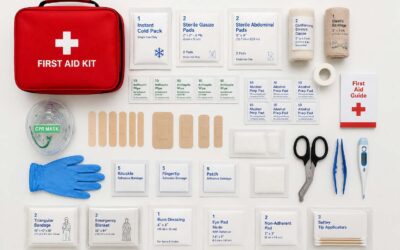
A first aid kit is only useful when you can find it and know what it holds. After you locate where is tesla first aid kit, open it immediately. What you will discover is a compact, practical assortment designed for minor roadside injuries, not major trauma. The standard contents focus on basic wound care and infection prevention.
Typically, the kit includes:
– Adhesive bandages in assorted sizes
– Sterile gauze pads and medical tape
– Antiseptic towelettes and antibiotic ointment
– A pair of nitrile gloves
– A CPR face shield
For South African drivers, this baseline may feel thin, especially on long rural routes where emergency response time can stretch. Once you know where is tesla first aid kit, inspect every item and check expiration dates. Consider supplementing the factory contents with burn gel, a tourniquet, and oral rehydration salts. The kit’s location matters, but its readiness matters more.
How to Restock the Kit Efficiently
Once you have confirmed where is tesla first aid kit, restocking becomes a simple routine. South African drivers face unique conditions, from gravel road dust to coastal humidity. Check the kit every three months and replace anything used or expired.
For efficient restocking, keep a small inventory list inside the kit lid. Update it whenever you remove an item. This saves time and prevents gaps. Remember where is tesla first aid kit so you can access it quickly during an emergency.
A practical restock order:
- Replace antiseptic wipes and ointments first, as these expire fastest.
- Replenish bandages and gauze in multiple sizes.
- Verify glove integrity and replace the CPR face shield if the packaging is torn.
Store spare supplies in a sealed zip bag near the kit. That way, restocking takes minutes, not hours.
Where to Purchase Replacement Kits
Emergency preparedness extends beyond knowing where is tesla first aid kit. It requires understanding what the kit contains and how it behaves under actual emergency conditions. Standard kits handle basic cuts and burns, but South African drivers often add snakebite gear or extra trauma dressings. Your daily routes determine which contents matter. A factory checklist is a starting point, but a coastal commute demands different supplies than a Highveld tour.
When the situation demands a replacement, you have options. I have found that Tesla service centres stock official kits, though online retailers often offer compatible versions with expanded supplies. Some medical supply shops in Johannesburg and Cape Town carry upgraded kits that fit the same storage compartments.
Replacement kits vary by source:
- Official Tesla kits include factory standard contents.
- Third-party kits often add tourniquets and burn gel.
- Custom medical kits allow full control over contents.
Knowing where is tesla first aid kit matters less than having a kit that works when you need it!
Storing Additional Supplies Nearby
Emergency response times in South Africa’s metro areas average between 15 and 25 minutes, a window where immediate action determines outcomes. A factory first aid kit serves as a foundation, but its contents often stop short of what a deteriorating situation requires. I keep a supplementary trauma pouch within arm’s reach of the driver’s seat, separate from the main kit. This small bag contains items selected for rapid deployment, not comprehensive care, and it has proven its worth on more than one occasion.
Storing additional supplies nearby transforms your vehicle into a more effective response asset. The central question of where is tesla first aid kit stored becomes secondary to what else you have positioned around the cabin. Consider these additions for a quick-grab pouch:
A compact trauma dressing for severe bleeding
A thermal blanket to manage shock onset
A roll of medical tape and a permanent marker
Disposable gloves in a waterproof sleeve
The factory kit handles minor abrasions. Extra supplies address the interval between an incident and professional medical arrival. Consistency matters more than volume. Check expiration dates on the supplementary items during routine service intervals, because a compromised seal can render a dressing useless. The glovebox, the under-seat tray, or a dedicated door pocket all work as staging points. Choose one location and commit to it, so your hand goes to the correct spot without thinking. That muscle memory is worth more than any replacement kit upgrade.
Legal and Safety Considerations
Knowing where is tesla first aid kit matters, but understanding legal boundaries on its use matters equally. In South Africa, Good Samaritan principles offer protection when you act in good faith, yet they do not shield you from gross negligence. Check expiry dates, keep contents sealed, and avoid expired medications in supplementary supplies.
Safety considerations extend beyond legislation. A kit stored in the wrong place can become a projectile during an accident. The factory location secures the kit, but any additions need proper restraint. I assess my kit during tyre rotations, inspecting seals and packaging integrity.
- Check the kit quarterly for expired items.
- Ensure all compartments close securely after access.
- Keep a list of contents laminated inside the lid.
Where is tesla first aid kit stored influences liability. An inaccessible kit is useless! The legality question rarely arises until an emergency unfolds, and by then, preparation or its absence becomes visible.
Seasonal Maintenance for the Kit
The quiet dread of a pothole on the N1 at night is a uniquely South African motoring anxiety. A blowout on a desolate stretch, far from the nearest town, transforms a simple drive into a test of your preparedness. Knowing where is tesla first aid kit becomes secondary to the immediate question of whether you can reach it when the cabin is filled with dust and the battery alarms are sounding. Access must be second nature, not a frantic memory exercise performed under duress.
Seasonal changes here demand a specific rhythm of attention. The Highveld winter brings dry, brittle air and cracked lips, while the coastal summer introduces humidity that can compromise adhesive bandages and sterile seals. I find myself checking the kit’s integrity more frequently than the manual suggests, especially after the long December holidays. A kit that spends months baking in a closed boot under the African sun will degrade, its contents becoming a neat collection of expired plasters and brittle gauze.
– Verify the integrity of all foil wrappers and sealed pouches every quarter.
– Replace any item with a compromised seal, regardless of its expiry date.
– Rotate out any fluids, like saline or antiseptic, if they show signs of crystallisation.
The schedule is not rigid, but it is consistent. As the seasons turn, so does my attention turn to the contents. The transition from the dusty dry months to the torrential downpours of the Cape winter is a trigger to re-evaluate what is inside. It is a simple habit, a quarterly ritual that ensures the location of the kit is never the bottleneck in an emergency. After all, the most robust factory fitment is useless if the contents have turned to powder or the case itself is jammed shut with grime.

0 Comments