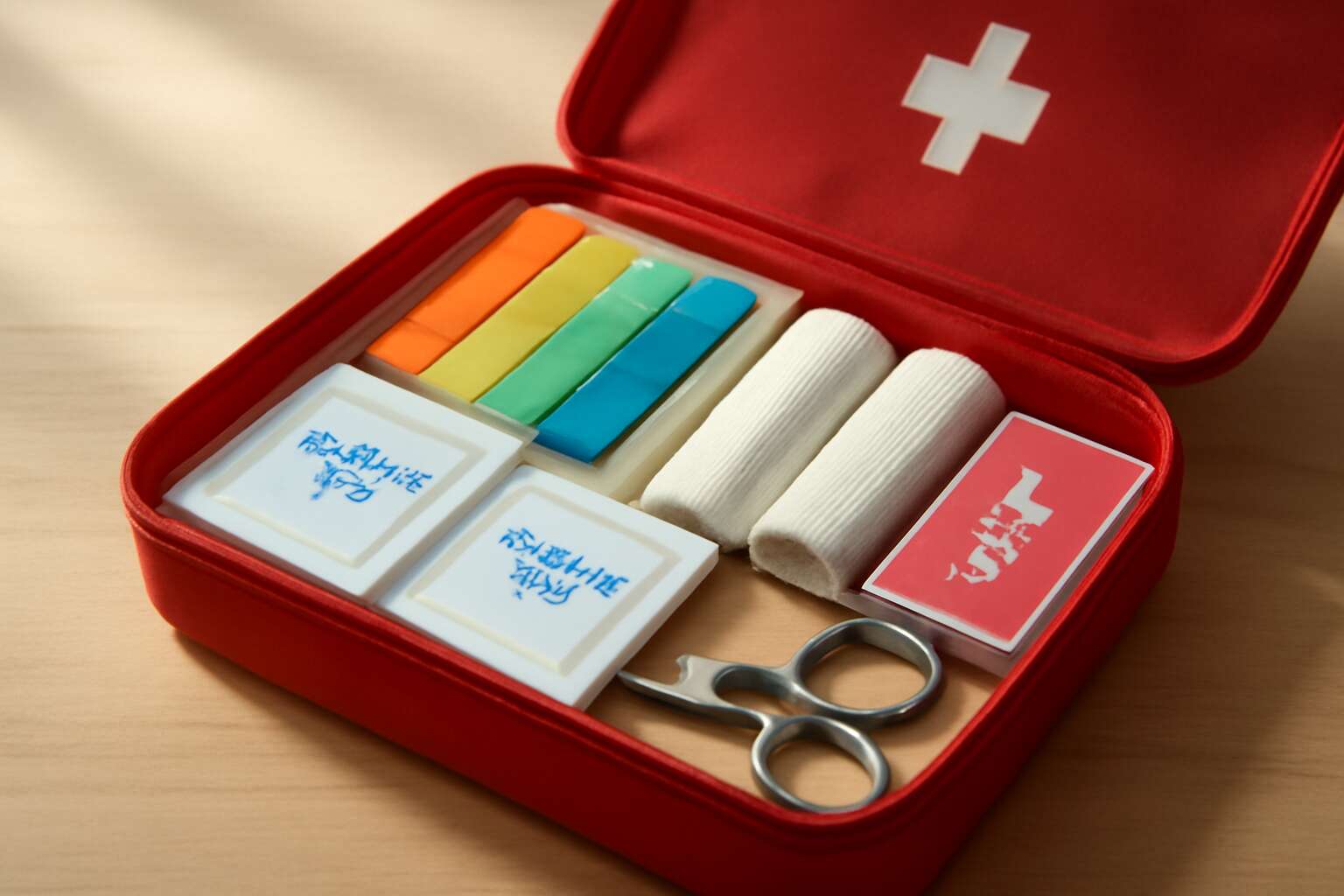
Essential components of a versatile first aid kit for home and workplace
Core bandage items and dressings
Better to have it and not need it — a hook that plants safety in the bloodstream of South African homes and workplaces. The first aid kit band is not a gadget but a philosophy: a compact, dependable reservoir of care that steadies panic and buys time when accidents arrive unannounced.
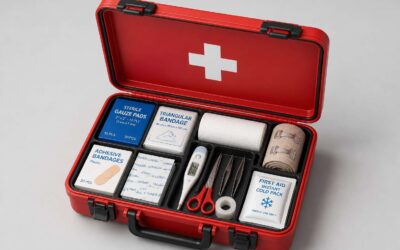
- Sterile gauze pads
- Non-adherent dressings
- Adhesive bandages
- Triangular bandages
- Cohesive (self-adhesive) bandages
- Medical tape
- Scissors
- Latex-free gloves
- Antiseptic wipes
Core bandage items and dressings form the backbone of every versatile first aid kit band, bridging quick containment with thoughtful care.
In homes and workplaces across SA, these components stay organized, clearly labeled, and ready for action, embodying the ethos of preparedness and resilience in daily life and work.
Antiseptics and sanitizers
Cleanliness buys time when risk lands fast. In South Africa, more than 1 in 3 households report an incident that needs first aid yearly, and the first aid kit band is built to steady panic and slow infection. Antiseptics and sanitizers sit ready—quietly powerful tools that turn a small cut into something manageable rather than a crisis!
Antiseptics and sanitizers anchor the kit’s ability to halt infection and preserve cleanliness for every incident. Consider these essentials:
- Alcohol-based hand sanitizer (minimum 60% alcohol) for quick surface disinfection
- Antiseptic wipes for on-the-spot cleaning of areas and hands
- Povidone-iodine or chlorhexidine solution for wound prep
- Hydrogen peroxide for gentle cleansing of minor abrasions
- Antiseptic spray for targeted treatment without extra mess
These items complement the core bandage items and dressings already discussed, strengthening the first aid kit band. They help keep environments safer in homes and workplaces across SA, where readiness meets practicality.
Medications and personal care items
In South Africa, more than 1 in 3 households report a first aid incident each year, a blunt reminder that readiness turns chaos into a calm rhythm. The first aid kit band stretches beyond bandages, weaving medications and personal care items into a steady backbone for home and work. These elements don’t shout; they ease small storms before they bloom.
Medications and personal care items for this versatile setup include:
- Analgesics such as paracetamol or ibuprofen
- Antihistamines for bites and allergies
- Antacid or antiemetic for stomach upset
- Oral rehydration salts for quick hydration
These selections complement the core bandage items and antiseptics you’ve already covered, giving the first aid kit band a more complete aura of preparedness. The right med cabinet in South Africa homes and workplaces keeps resilience vivid, not clinical.
Tools and safety accessories
More than 1 in 3 South African households report a first aid incident annually, a jarring reminder that planning steadies the storm. The first aid kit band extends beyond dressings, weaving tools and safety accessories into a sturdy backbone for home and workplace. In this versatile setup, essential components include durable implements and protective gear that stay ready, unobtrusive, and easy to grab.
- Nitrile gloves
- Medical scissors
- Tweezers
- Adhesive tape
- Safety pins
- Compact flashlight
A waterproof case, clear labeling, and a compact instruction card keep resilience vivid for everyday South African environments.
How to choose the right portable first aid kit for travel and outdoor activities
Compact kits vs expanded kits
Small in size, big in impact — the right gear keeps pace with every trail and travel moment. The first aid kit band line shows how a compact kit can fit a day hike without sacrificing essentials, turning a minor slip into a quick fix and keeping nerves steady.
Choose compact or expanded based on duration, terrain, and access to help. Compact kits ride in a daypack or glove box, while expanded kits add space for extra dressings, medicaments, and weather-specific add-ons. The size you pick keeps essentials close at hand when every minute counts.
In South Africa’s outdoors, resilience matters. A well-chosen kit stays ready, opens with one hand, and travels light enough to move with you from the city to the veld.
Choosing durability and water resistance
A seasoned ranger said, ‘The wild rewards the prepared.’ When choosing a portable kit for travel and outdoor activities, durability and water resistance are lifelines, not afterthoughts. A good kit wears rain, dust, and rough transport with quiet resilience, and it should open smoothly in a pinch. In the veld or on a city trail, it stays snug in a glove box or daypack, keeping pace with every moment.
- Weatherproof shell and sealed seams
- Durable, snag-resistant fabric
- One-handed access and clear compartments
- Compatible with a compact or expanded layout
In South Africa’s outdoors, look for a compact, weatherproof shell and rugged zips with one-handed access. The kit balances weight with protection, ready for sun, rain, or dust.
Choosing a first aid kit band that balances durability and water resistance keeps pace with every trail and travel moment.
What to include for hiking and camping
The SA veldt keeps its secrets, and risk travels light. ‘The wild rewards the prepared,’ a seasoned ranger rasped, as rain stitched the earth with silver. A well-chosen portable first aid kit band is more than gear; it’s a lantern in the dark, following you from city paths to distant ridges.
How to choose comes down to scale, weight, and clarity. Opt for a compact, expandable case that stays within reach yet doesn’t burden the shoulder. Favor a straightforward interior with clear labels and easy-access compartments, so you can locate what you need in fading light or a hurried moment. The kit should balance rugged protection with quick, one-handed access, an ally on dusty trails and windy passes across South Africa.
Labeling and maintenance tips
“The wild rewards the prepared,” a seasoned ranger rasped. On travel and outdoor quests, the first aid kit band becomes more than gear—it’s a quiet compass through heat, dust, and sudden rain. For SA conditions, opt for a compact, expandable case that stays within reach but never weighs you down. A straightforward interior with clearly labeled pockets speeds retrieval in fading light, while rugged, one-handed access keeps the kit usable on windy ridges and city paths alike.
Labeling and maintenance tips go beyond aesthetics; they preserve readiness.
- Clear, durable labels on every pocket.
- Date-expired items and rotate stock as needed.
- Store in a dry, dust-free location and replace desiccants regularly.
- Include a quick-inspection card for periodic checks.
Keep it somewhere accessible yet secure; let the first aid kit band be a trusted guardian rather than a forgotten box.
Best practices for organizing and labeling your first aid gear
Categorizing items by use
A crisp pack is a calmer mind in a crisis. Time saved is life saved—that catchy line holds more truth when the contents are neatly labeled and easy to reach, not rummaged through like a rummage sale.
Best practices for organizing and labeling your first aid gear revolve around purpose. The first aid kit band should group items by use so a responder can grab what’s needed without a scavenger hunt, then stand back and breathe.
- Group by use: bleeding control, wound care
- Labeling: legible fonts, simple icons
- Expiry: track dates and replacements
Done correctly, these principles translate to any SA workplace, home, or trail, making the kit ready for action when needed in South Africa.
Color coding and labeling
Crises don’t wait for tidy shelves; minutes saved in organization can be the turning point between calm and chaos. In the heat of the moment, responders waste precious seconds hunting for what they need. Color coding and labeling—anchored to clear purpose—turn a chaotic box into a steadfast first aid kit band that breathes and acts instead of rummaging.
- Red tags signal urgent access to trauma-related items
- Blue tags mark cleansing and wound-care essentials
- Green tags designate patient comfort and personal care
Labels should use legible fonts, generous spacing, and simple icons—a shared language that keeps teams across South Africa aligned, ready to respond in workplaces, on trails, or near clinics. An orderly system extends the kit’s life, a quiet vow that expiry dates matter and replacements keep the band at the ready for the next call.
Inventory and restock routines
In any crisis, every second counts. The first aid kit band thrives when organized with intent—like a quiet sentinel orderly and unflinching. A well-ordered system isn’t just neat; it preserves life. In South Africa’s workplaces, on rugged trails, or near clinics, the rhythm of inventory and labeling keeps the kit responsive when chaos closes in. The phrase first aid kit band becomes a living thing, breathing and ready to act rather than rummaging.
- Regular reconciliations to prevent drift between what exists and what expires
- Unified labeling standards—clear fonts, generous spacing, and icons—that stay legible across shifts and conditions
Inventory and restock routines act like a heartbeat: audits, rotation, and reminders ensure expiry dates are respected and replacements arrive before a gap forms. When the first aid kit band is mapped to a predictable cadence, responders move with confidence, not hesitation.
Storage conditions and accessibility
In emergencies, 60 seconds can reshape the outcome. The first aid kit band is no mere hardware; it’s a vigilant sentinel, turning chaos into choreography. When it is organized with deliberate purpose, responders glide through the moment with steadiness and grace, even as shadows gather.
Here are core practices that keep it razor-sharp.
- Keep the kit in a cool, dry space away from direct sun, ideally 15–25°C.
- Labeling uses bold, high-contrast type and clear icons for quick recognition.
- Positioning at eye level, free of obstruction, with a visible index indicating item locations.
Across South Africa’s work sites, in the veld and beside clinics, accessibility is a quiet creed. A well-ordered first aid kit band becomes a compass in low light and a promise that help is never far.
Frequently overlooked items
In emergencies, 60 seconds can reshape the outcome. The first aid kit band becomes a map of calm, a living archive where order and intent meet. Responders glide through the moment with steadiness; across South Africa’s work sites, a well-structured kit makes the room feel smaller and danger seem more distant. A clear index and a rhythm of placement keep the mind lucid as shadows gather.
- Emergency thermal blanket
- Spare batteries for a torch
- Nitrile gloves in multiple sizes
- Whistle for signaling
These overlooked items complete the circle of readiness and remind us that the first aid kit band is as much a living myth as it is a practical tool—ready, reachable, and remembered in every stride of care.
Safety training and usage: how to use your kit effectively
Basic wound care steps
Seconds count when emergencies erupt, and a well-used first aid kit band turns panic into action. Safe, practical safety training lets you locate the right items in an instant and apply them with confidence—vital whether you’re at a job site in Johannesburg or on a rural road in the Karoo. A well-organized first aid kit band speeds response when it matters most.
Basic wound care steps, kept simple, focus on turning hesitation into action:
- Assess the scene and ensure safety.
- From the kit, use clean materials to protect the wound area.
- Gently cleanse if a mild option is available, then cover with a protective barrier.
- Monitor the wound and seek medical help if signs of trouble appear.
With practice, this approach becomes second nature, a practical stance that suits everyday life and the demands of hiking or commuting in South Africa.
Safe use of bandages and antiseptics
In emergencies, calm hands beat frantic ones—practice turns fear into swift action. The first aid kit band becomes a lifeline when drills turn knowledge into muscle memory. A veteran medic once quipped, “Preparation saves lives.”
Safety training focuses on using your kit effectively and staying mindful of safe handling of bandages and antiseptics. Through short scenarios, quick checks, and routine practice, you learn to locate the right items instantly, turn a tense moment into measured care, and keep momentum in crowded spaces like a Johannesburg site or a Karoo roadside.
- Hygiene and protection: sanitize hands and use gloves when available.
- Sterility and shelf-life: check integrity and expiry, replace worn items.
- Accessibility: practice finding items in dim light and while moving.
With this approach, the first aid kit band becomes second nature—and safety becomes a habit you carry into every day.
CPR and bleeding control basics
In a crisis, speed is a living thing; calm hands become your shield. Recent data shows that high-quality CPR within the first minutes can double or triple survival, a verdict that makes every second count. The first aid kit band is not a prop but a tool that translates training into action, turning fear into decisive care. “Preparation saves lives,” a veteran medic once quipped, and the sentiment still rings true!
Mastering safety training means knowing how to deploy your kit under pressure—and how to stay mindful of safety during use. For CPR and bleeding control basics, a few core checks keep momentum intact:
- Assess the scene for safety, check responsiveness, and call for help
- Open the airway, check breathing, and begin chest compressions if trained
- Apply direct pressure with clean dressings to stop bleeding, and monitor for shock
In practice, your first aid kit band becomes second nature when you rehearse in dim light or crowded spaces—Johannesburg sites or Karoo roadsides alike. Regular drills reinforce your muscle memory and remind you to grab the kit band instantly, every time you move.
Family and workplace safety training plan
In crisis, the clock owns the moment—the first five minutes can double or triple survival when CPR is performed with precision. A well-practised response translates fear into action, and the first aid kit band is the bridge between training and tangible care. It travels with you across South Africa’s workplaces and landscapes, turning readiness into reassurance!
Safety training and usage measure courage against chaos. A family and workplace safety training plan should reflect real life—clear roles, calm communication, and regular practice that keeps tempo steady. The first aid kit band becomes second nature when rehearsed under varying light, noise, and spaces, from kitchens to corridors.
To weave this into daily life, consider a concise plan:
- Defined roles and clear lines of communication
- Regular scenario-based awareness sessions
- Periodic reviews and kit updates
In South Africa, the first aid kit band stands as a quiet guardian, a daily reminder that preparation saves lives.
Practice drills and checkups
Those first five minutes are make-or-break—the odds of survival rise with precise action. The first aid kit band anchors that rhythm, a portable anchor that travels with you across South Africa’s workplaces and landscapes, turning preparation into peace of mind.
Use it as a living tool: quick-access placement, clear signals, and calm, practiced routines. Practice drills and regular checkups keep spacing, pace, and confidence aligned, so you’re ready to respond rather than react.
- Cadence of drills with escalating scenarios
- Clear roles and handoffs
- Real-time feedback and post-drill debrief
- Documentation and quick maintenance checks
Across South Africa, the ritual of practice makes courage habitual, transforming fatigue into dependable care.

0 Comments