Understanding snake bites and safety
Immediate actions after a bite
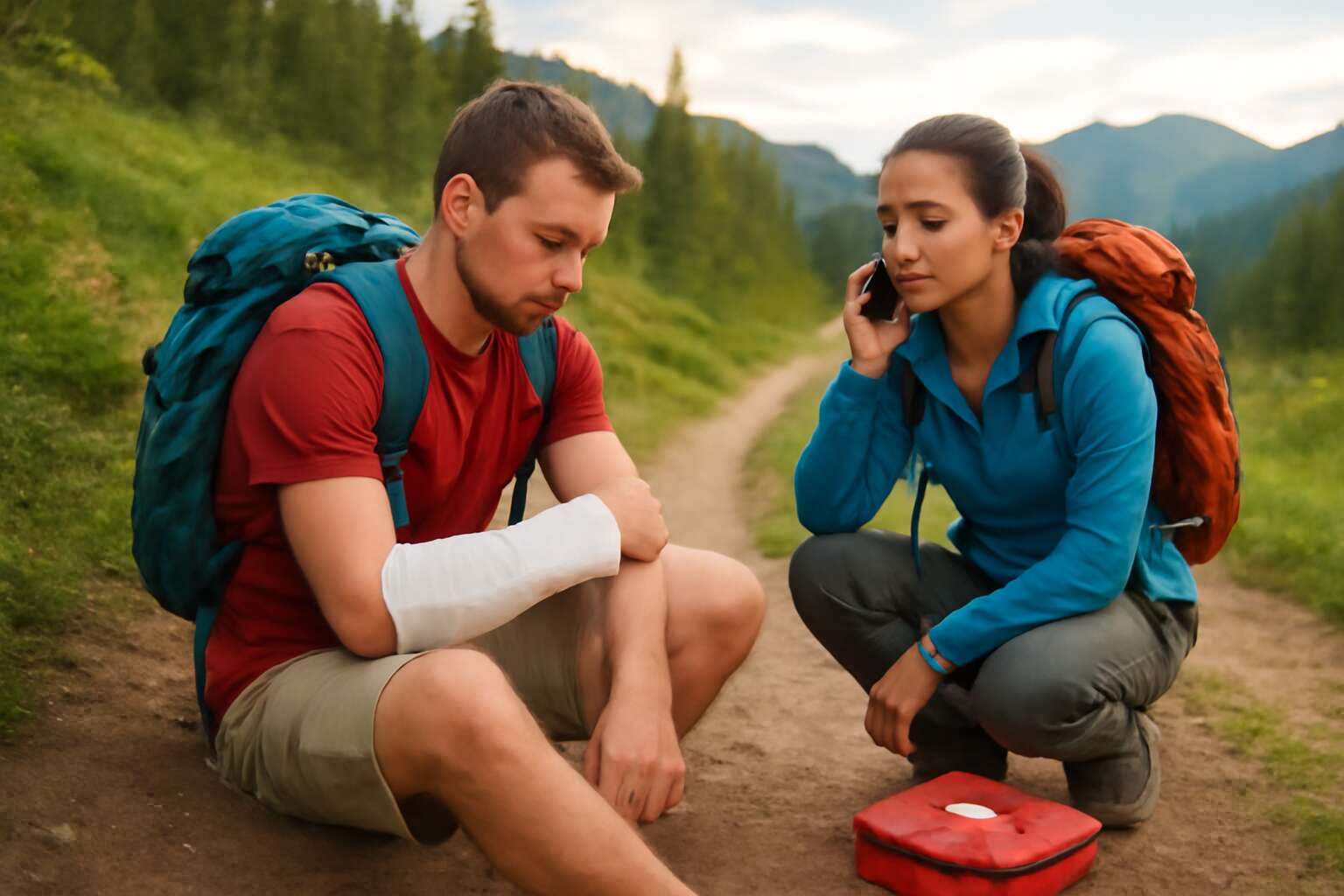
South Africa records hundreds of venomous bites each year, turning tranquil veld visits into urgent scenes where seconds matter. Understanding snake bite safety and snake bite first aid transforms fear into decisive care, guiding witnesses through calm, considered responses when danger nears.
Safety in the moment hinges on restraint and clear thinking. Avoid drastic measures, never cut or apply ice, and let natural movement subside. The focus is on seeking professional medical help as quickly as possible while the body’s signals are observed and respected.
An awareness of local snakes—common in South Africa—remains a practical shield. Communication with responders, timely transport to a clinic, and careful observation of symptoms underpin the best outcomes.
Recognizing venomous symptoms
Across South Africa, venomous bites punctuate the quiet of the veld—hundreds land in clinics each year, a stark reminder that calm attention can transform peril into measured care.
Understanding snake bite safety means listening to the body’s subtle alarm—pain that sharpens, swelling that blooms, and the map of symptoms that can drift from limb to chest or throat. Recognizing venomous symptoms helps witnesses steady their pace and respond with care:
- Severe local pain and swelling near the bite
- Numbness or tingling away from the wound
- Dizziness, sweating, or nausea
- Difficulty breathing or vision changes
- Two puncture marks or a distinct fang imprint
Every reaction writes a message from the body; understanding it is a form of snake bite first aid in spirit, guiding prudent action without panic.
When to seek urgent medical help
Across South Africa’s veld, a quiet mishap can change a day in an instant. Understanding snake bite safety means treating the moment with gravity and patience rather than panic. It’s about readiness, not bravado—knowing that safety is as much about staying calm as it is about recognizing risk. This awareness lays the groundwork for responsible care and informed decisions when danger inevitably looms.
When to seek urgent medical help becomes clearer when symptoms extend beyond a local bite or new trouble appears—rapid swelling, breathlessness, or confusion. In doubt, or if symptoms worsen, professional assessment is essential. This awareness is a component of snake bite first aid.
Common myths and misconceptions
In South Africa’s veld, a misstep can rewrite a day. Clinical experience shows many encounters are non-venomous or dry bites, reminding us that danger wears a calm face. Understanding snake bite first aid begins with patience, not panic, and reading risk as care for both person and creature.
Common myths slither through the grass, distorting what truly matters: venom is always present, all snakes rush to bite, or bitter home remedies can neutralize venom. In reality, bites vary by species and situation; fear sharpens memory while knowledge keeps us wary but safe.
- Myth: All snakes are venomous.
- Myth: Venom can be neutralized by heat, cold, or saliva.
- Myth: A bite is always immediate and spectacular.
Recognising the subtleties of risk supports responsible care and informed decisions when danger threads through the grass. Snake bite first aid flourishes in calm minds and measured awareness.
Safety steps to prevent bites
In South Africa’s veld, thousands are treated for snake bites each year, yet most encounters are non-venomous. Understanding snake bite first aid begins with prevention, patience, and reading the terrain rather than racing into panic. A calm, methodical stance saves time, reduces fear, and keeps both people and creatures intact when danger slinks unseen among the grass!
Prevention steps are your first line of defense in the field:
- Awareness: know local snake habitats and seasonal patterns
- Preparation: choose suitable gear and carry basic first aid supplies
- Respect: give snakes space and avoid handling or provoking them
Education and vigilance empower communities across SA to stay safer without fear.
On-site care and management before hospital
Keep the person calm and immobile
Across South Africa, hundreds of snake bites land people in clinics each year, turning a sudden encounter with the veld into a test of nerves. In those first moments, snake bite first aid becomes a bridge between fear and care. The goal is simple: keep the person calm, still, and protected while help is on the way.
Voice and posture matter. I’ve seen how a steady, reassuring tone and slow breathing can steady a panicked field companion while the clock ticks toward definitive treatment! A comfortable position can slow the body’s reaction. If feasible, gently immobilize the affected limb and keep the person warm; avoid unnecessary movement and any home remedies until professionals arrive.
Remove jewelry and tight items
In the veld’s quiet, on-site care becomes a bridge between fear and care. In the realm of snake bite first aid, removing jewelry and tight items helps prevent constriction should swelling unfold. The aim remains a composed, compassionate scene that steadies the moment and preserves space for medical hands.
Observers anchor the scene with calm notes—what was worn, the bite’s timing, and any changes. Such details offer clinicians a clearer map when hospital arrival begins, guiding decisions with sensitivity.
Shaped by respect for the person and environment, on-site management preserves dignity while ensuring readiness for definitive care. The moment between incident and hospital arrival becomes part of a healing story.
Wound care and cleaning guidelines
In South Africa’s veld, a single bite can rewrite a day in an instant; snake bite first aid becomes a moment that steadies fear and makes space for the skilled hands to arrive.
On-site care treads softly, with a quiet focus on wound care and cleaning guidelines that respect dignity while the path to definitive care unfolds.
To anchor the scene, gather time of bite, visible changes, and the person’s comfort level—then share those notes with medical staff.
- Note the bite timing and any swelling
- Observe changes in the wound and limb
- Message clear details to clinicians on arrival
The on-site moment becomes a bridge, a humane interlude before hospital care, preserving dignity and guiding wound care into capable hands.
Immobilization techniques and splinting
Time is a quiet thief in the South African veld, where a single bite can rewrite a day in an instant. On-site care begins before EMS arrives, with a steady breath, an immobilized limb, and hands prepared to guide the journey toward hospital care. This is snake bite first aid: minimize movement, preserve dignity, and buy precious minutes for skilled hands.
With care on the ground, immobilization becomes the first shield. A padded splint laid along the limb steadies the body and curbs venom movement by limiting motion.
- Secure a padded splint along the limb, immobilizing joints above and below the bite.
- Support the limb with soft materials and tie gently; this snake bite first aid keeps blood flow unconstricted.
- Avoid tourniquets, cutting, or attempting to suck venom; steady transport is the aim.
- Monitor distal circulation—color, warmth, and sensation—and note swelling progression.
What not to do at the scene
The veld hums with a dangerous lullaby, and every South African day could hinge on a single choice. In snake bite first aid, breath becomes a compass and gentleness a shelter—an apology to time itself as we guide the injured toward hospital doors.
On-site care centers on keeping the body quiet and preserving dignity, while arranging for rapid transport. I watch for subtle changes in color and warmth, noting swelling as the minutes slip by, and I prepare hands to hand over care to trained professionals.
What not to do at the scene:
- Identifying the snake or chasing it drains precious minutes without changing outcomes.
- Delays in transport can steal the advantage of early medical care.
- Ice, incisions, or attempts to suck venom divert the scene from safety and comfort.
Let the moment breathe, and let the patient move toward care with gravity and grace.
Different bite types and appropriate responses
Identifying venomous vs non-venomous bites
South Africa’s sunlit veld hides a stark truth: hundreds of venomous bites are recorded each year, turning a sunlit stroll into a medical moment. Different bite types demand different responses, and clear recognition is a cornerstone of snake bite first aid. When time is tight, calm assessment preserves precious minutes and steadies the heart.
Distinguishing venomous from non-venomous bites is often a matter of nuance and pace.
- Venomous bite signs: rapid swelling, severe pain, sweating, dizziness, and visible fang marks.
- Non-venomous bite signs: milder pain, confined redness or swelling, and typically two shallow puncture wounds.
Appropriate responses hinge on bite type, with urgency guiding venomous cases. In the realm of snake bite first aid, call for urgent medical help, immobilize the limb, and remove tight items. For non-venomous contacts, gentle wound cleaning and observation are prudent; seek care if swelling or pain intensifies.
Pressure immobilization myth vs recommended practices
South Africa’s sunlit veld hides a crucial truth for snake bite first aid: venomous bites demand urgent medical attention, while non-venomous incidents unfold more slowly. Recognising the bite type shapes the care path and the tempo of the response, turning a sudden encounter into a measured journey to help.
Venomous bites often unleash rapid swelling, severe pain, sweating and dizziness; signs can spiral within minutes. Non-venomous bites tend to be milder, with localized redness and two shallow punctures rather than dramatic swelling.
Pressure immobilization is a frequent myth in snake lore. The recommended practice in South Africa emphasizes minimizing manipulation and prioritising swift access to professional care, rather than constriction. In practice, practitioners focus on stabilising the situation and moving toward advanced treatment.
- Myth: a tight pressure bandage slows venom spread.
- Reality: avoid constriction and seek rapid, professional assessment with minimal disturbance.
Localized vs systemic symptoms handling
Within South Africa’s sunlit veld, the sting of a bite writes two very different stories. In venomous encounters, swelling blossoms rapidly, pain sharpens, and sweating or dizziness can escalate within minutes. Non-venomous bites often linger with milder signs: localized redness and two shallow puncture marks rather than dramatic swelling. In the realm of snake bite first aid, distinguishing venomous from non-venomous bites shapes the care pathway and the tempo of the response, turning a sudden encounter into a measured journey toward help.
Localized symptoms tell a gentler tale, while systemic signs hint at venom on the move. Consider these markers:
- Localized: pain at the bite site, swelling and redness near the wound
- Systemic: dizziness, sweating, nausea and general weakness
These cues help clinicians read the bite’s tempo and marshal the right care pathway in South Africa.
Bite location considerations (hand, leg, torso)
Across South Africa, hundreds of venomous encounters punctuate the year, a stark reminder that snake bite first aid is as much poetry as procedure. The veld keeps its secrets, but the bite itself speaks in tempo—the brisk drum of venomous signs, or the slower whisper of a non-venomous trace.
Different bite types unfurl different narratives. Venomous fangs sketch urgency in swelling and dizziness; non-venomous marks linger as redness and two neat punctures. In the realm of first-response storytelling, the pace and gravity of signs sculpt the care that follows, even before touch or talk arrives.
Where a bite lands—hand, leg, or torso—shapes its prose and the imagined response. A small hand bite might press its peculiar story into daily tasks, while a leg or torso bite speaks to wider aliveness.
- Hand
- Leg
- Torso
Time since bite and transport decisions
Across South Africa, hundreds of venomous encounters punctuate the year, a reminder that time and terrain govern what follows a bite. Snake bite first aid becomes a quiet rhythm—the veld’s breath, a neighbour’s steady voice, and the patient learning to listen to their own body.
Different bite types unfurl different narratives. Venomous bites quicken the tempo; non-venomous marks linger with slower signals for the observer.
- Timeline emphasis: time since bite shapes transport considerations
- Local vs systemic cues guide the narrative shift in care
Time since bite and transport decisions sculpt the arc of care. The practice lives in the moment, guiding care through the open country.
Medical treatment, antivenom, and follow-up
Antivenom basics: indications and risks
In snake bite first aid, the real work begins in a hospital where antivenom is available. Medical teams stabilize the patient, secure the airway if needed, and monitor heart and kidney function while swelling and venom effects unfold. In South Africa, puff adder and cobra bites keep clinicians vigilant!
Antivenom is the cornerstone of definitive care. It is given when venom is actively harming or likely to do so. Indications include spreading swelling, neurological signs, or abnormal blood tests; risks include allergic reactions and, rarely, serum sickness. It is administered under close supervision.
Follow-up after antivenom focuses on recovery monitoring and preventing complications. Patients may need rest, fluids, and ongoing lab checks during observation; long-term follow-up addresses delayed serum sickness and wound healing as part of comprehensive care.
Emergency transport and hospital care
South Africa’s clinics feel the bite; hospital doors mark where snake bite first aid becomes action. Stabilization, airway protection, and careful fluids set the stage as swelling and venom unfold. Antivenom remains the decisive remedy, under vigilant supervision.
In the continuum of snake bite first aid, medically, teams monitor heart rhythm, kidney function, and evolving labs. Antivenom is given when venom harms or threatens to, with ready support and vigilant clinicians watching for reactions.
Follow-up centers on recovery and preventing complications. Rest, fluids, and serial tests track organ healing; wound care and rehabilitation address delayed issues such as inflammation and scar formation.
Emergency transport and hospital care ensure rapid, coordinated intervention: EMS alerts, swift transfer to an appropriate unit, and continuous observation that mirrors the patient’s tempo of recovery.
Key pillars:
- Airway, breathing, and circulation monitoring
- Kidney function, coagulation, and hydration status
- Pain management, wound assessment, and patient education
Diagnostic tests and monitoring
Every snake bite demands swift, calibrated medical response. In South Africa, the pivotal moment arrives when antivenom is dosed under close observation, and reactions are managed with readiness. It’s where snake bite first aid graduates into hospital-grade care, turning panic into purpose. Dosing respects venom type and patient physiology, with teams ready to escalate if envenomation worsens or to adjust as labs reveal the body’s tempo.
Follow-up diagnostic tests and monitoring ensure the patient’s trajectory remains steady. Serial labs track kidney function, coagulation, and hydration while clinicians watch for delayed effects. Recovery hinges on wound assessment, rehabilitation planning, and patient education about lingering symptoms and scar management.
- Renal function and electrolyte panels
- Coagulation studies and platelet counts
- Serial complete blood counts and biomarkers
Recovery and rehabilitation tips
Swift as a razor, hospital-grade care replaces roadside panic the moment venom hits the clock, a scene familiar to South Africa’s trauma teams. In the realm of snake bite first aid, antivenom dosing is a tailored art—matched to venom type and patient physiology, with teams ready to escalate if reactions flare and to adjust as the body’s tempo shifts!
Medical treatment is a careful choreography of antivenom and supportive care, guided by observation rather than bravado. Follow-up diagnostic tests and monitoring keep the trajectory steady: renal function and electrolyte panels, coagulation studies and platelet counts, and serial complete blood counts to flag delayed effects.
- Wound assessment and scar management planning
- Rehabilitation-focused mobility work and physiotherapy
- Education on lingering symptoms and when to seek care
Recovery hinges on coordinated rehabilitation planning and patient education, turning hospital care into lasting function rather than a footnote in a frightening episode.
Prevention and bite avoidance strategies
In South Africa, every minute counts in snake bite first aid—swift action can turn a crisis into a story of recovery. Medical treatment centers on antivenom, dosed to venom type and patient physiology, with teams ready to escalate if reactions flare and to adjust as the body’s tempo shifts.
Follow-up care hinges on vigilant observation: renal function, electrolytes, coagulation studies, platelets, and serial CBCs guide the course and flag delayed effects before they threaten recovery.
Even as care unfolds, prevention and bite avoidance strategies ebb and flow with the seasons.
- Principle: environmental awareness in snake-prone zones
- Principle: protective clothing as a conceptual safeguard
- Principle: giving space to wildlife and avoiding provocation
- Principle: diligence in gear inspection as a precaution
These elements fuse follow-up and prevention, shaping lasting safety within snake bite first aid.

0 Comments