
Understanding the Duration and Timeline of First Aid Training
What factors influence first aid training length
“First aid is a practical shortcut to safety,” a veteran trainer likes to remind audiences. In South Africa, many organisations ask how long first aid training should last, because duration shapes confidence and readiness when seconds count. The answer varies with scope and audience. Short bursts of practice can make all the difference!
Several factors influence the timeline:
- scope and depth of content
- participants’ prior knowledge and comfort with emergencies
- delivery format (in-person, blended, or online)
- recertification and regulatory requirements
In practice, a basic first aid course often spans a full day, while more comprehensive programmes expand to two days or more. In a South African context, organisations weigh practical needs against staffing calendars as training windows are planned.
Typical durations by course type (CPR, AED, Basic First Aid, Pediatric First Aid)
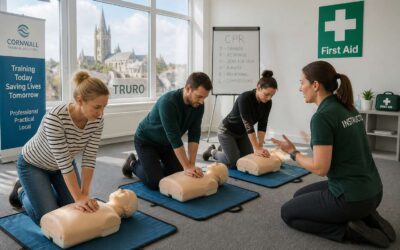
In South Africa, the moment a crisis unfolds can hinge on a trained hand. Across farms, classrooms, and busy offices, understanding how long first aid training lasts helps teams plan with confidence. People often ask how long first aid training should take, and the answer varies with scope and audience, from quick CPR modules to fuller Basic First Aid programs. A well-timed course fits a workday and leaves participants poised, not overwhelmed.
Typical durations by course type include:
- CPR: 4–6 hours
- AED: 1–2 hours
- Basic First Aid: 1 day (6–8 hours)
- Pediatric First Aid: 1–2 days
In-person vs. online and blended formats: impact on total time
Across South Africa, the clock hums differently in the presence of danger. In the quiet places, time slips by; in the moment of need, it becomes a blade. Understanding how long first aid training can take helps teams align production lines, audits, and safety rituals with a steadier heart.
Formats shape the total time, and the impact is subtler than mere minutes.
- In-person sessions gather hands and eyes in one room, shaping a compact, shared cadence.
- Online modules let individuals pace themselves, spreading learning across evenings or idle downtime.
- Blended formats fuse live practice with self-paced review, tweaking total duration to fit a workplace’s pulse.
Some workplaces crave the seamless, some need flexibility, and all must balance safety with responsibilities. Time keeps its vigil, even as we train to answer its call.
Certifications: minimum hours and recertification intervals
“Time is a blade in the moment of need,” a line that lingers in training halls. Time is the shield first aid training provides, turning fear into readiness. Across South Africa, teams map schedules around audits, shifts, and the quiet heartbeat of safety.
So, how long first aid training actually takes depends on the course and the regulator. Minimum hours carve the baseline: 4–6 hours for standard CPR/AED plus basic first aid; 6–8 hours for more thorough programs such as pediatric first aid or workplace-specific modules.
- Minimum hours: 4–6 for standard packages; 6–8 hours for expanded programs.
- Recertification intervals: commonly every 2 years for CPR/AED; 2–3 years for broader first-aid curricula.
- Scope variations: pediatric or industry-specific training adds hours beyond the baseline.
These timelines anchor safety with schedules, audits, and production rhythms—keeping a steady heart in the shadow of risk.
Estimating total time for a training plan
In the vast rural stretches of South Africa, every minute in an emergency counts. A recent industry pulse suggests teams plan around how long first aid training will take—often 30% longer than they actually need—and then watch the clock slip away between shifts and quiet moments on the floor.
Understanding total time begins with choosing the right path: core modules, add-ons, and the pace that suits your crew. To estimate a training plan, I look at three broad layers: the delivery format, the breadth of the scope (standard basics versus pediatric or industry-specific modules), and the cadence of refreshers the regulator expects. The goal is a timetable that respects work rhythms while keeping readiness intact.
- Format and delivery: in-person, online, or blended
- Scope: standard first aid, pediatric, or industry-specific modules
- Recertification cadence and regulatory checks
When the plan clicks, the days breathe easier: teams train in short, focused blocks and return to duty with hearts steadier and hands steadier. The clock becomes an ally, not an adversary.
Questions to ask providers to determine training duration
In South Africa’s vast rural stretches, every emergency breathes urgency. Understanding how long first aid training will take is not a luxury; it is the quiet hinge that keeps crews poised when alarms ring and floors go quiet, and hands gather courage.
Ask a prospective provider about cadence, scope, and format to map a realistic timeline. Key questions include:
- Core duration for standard first aid versus pediatric or industry-specific modules
- Delivery mode and its pacing: in-person, online, or blended
- Recertification cadence and regulatory checks baked into the timetable
The aim: a rhythm that respects shift patterns while preserving readiness, so the clock works for you, not against you.

0 Comments