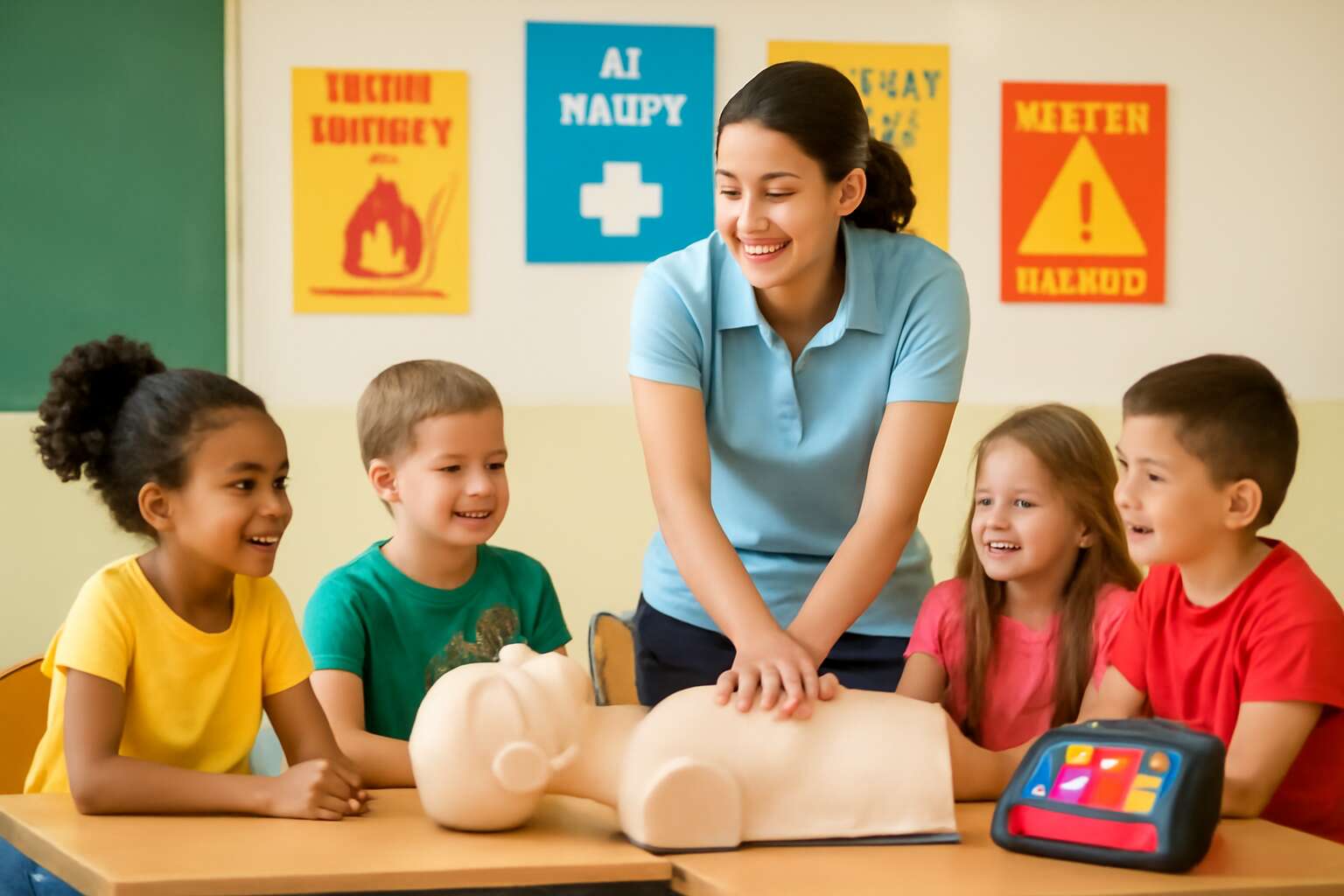
Comprehensive guide to child-focused first aid training
Safety and learning objectives for children
In every moment a child faces danger, calm, deliberate training can be a lifeline. This is where first aid courses for children become more than a checklist: they shape mindsets, resilience, and the capacity to act when seconds matter.
A comprehensive guide weaves safety principles with learning objectives in a child-friendly rhythm.
- Foundational safety awareness and hazard recognition
- Age-appropriate injury management and comfort techniques
- Clear communication with adults and emergency services
Learning objectives for children flow from curiosity to competence without overwhelming them. An ordered list of practical aims may include:
- Identify hazards and stay composed in a small crisis
- Practice simple, non-technical responses that protect others
- Know when to seek help and how to relay basic information
In South Africa, inclusive programs adapt to classrooms, sports fields, and community centers, meeting children where they are and preparing them for real life.
Course formats and accessibility for families
Every crisis is a test of timing, not just technique. A striking statistic in many South African communities is that readiness at the scene can halve the time to help. Readiness to act—properly translated into practice—changes outcomes. That’s why choosing the right format for first aid courses for children matters—it’s about turning knowledge into confident action as kids move through classrooms, sports fields, and neighbourhoods.
- In-person hands-on workshops at schools, clinics, or community halls
- Hybrid models combining online theory with local practical sessions; available as first aid courses for children
- School- and club-based programs embedded in everyday activities
Accessibility isn’t an afterthought. In SA, programs aim to be affordable, multilingual, and easy to reach, with transport support and inclusive materials. When families can access content in their language and community, more children gain the chance to act calmly when seconds matter.
Core skills taught in pediatric first aid
Bystander CPR can double or triple survival rates in pediatric emergencies, so the earliest, clear action is not optional—it’s essential. In child-focused first aid training, the goal is to transform anxious knowledge into confident, swift response under real-world pressure. In South Africa, communities that prioritise practical readiness turn moments of fear into acts of care.
The comprehensive guide to core skills taught in pediatric first aid includes the following practical competencies:
- Age-appropriate CPR and rescue breathing for children
- Choking relief tailored to age and scenarios
- Bleeding control and safe wound care
- Poisoning recognition and emergency steps
- Seizure management and safe post-episode care
These modules are designed to be age-appropriate, hands-on, and memorable, ensuring that first aid courses for children translate from the classroom into sports fields and neighbourhoods where seconds count.
Accreditation, certification, and value for parents
In South Africa, a certified badge on a training program can turn jittery nerves into swift, confident action. Accreditation isn’t a box to tick—it’s a compass that guides families through emergencies with calm and clarity. “Prepared hands save precious minutes”—a truth that echoes through every course.
- Standards aligned with national pediatric first aid guidelines and robust assessment.
- Certification that translates into palpable credibility for parents and schools alike.
- Ongoing learning support, refreshers, and access to updated procedures for families.
For parents, this means more than a certificate; it means a safety net across sports fields and community spaces, where first aid courses for children become everyday readiness.
Selecting the right program for different age groups
“Calm hands save lives in seconds,” a nurse once said. That truth anchors child-focused first aid training. When selecting a program, tailor content to developmental stages—infants, toddlers, and school‑age children face different risks and learning rhythms. In South Africa, this age-aware approach is essential for safe, everyday action.
Age-appropriate focus means outcomes grow with the child, not the clock, with content matched to development and language.
- Infants and toddlers: basic checks, calling for help, safe positions.
- Early childhood: choking recognition, gentle rescue breaths, simple bandaging.
- School-age: wound care, calling emergency services, teamwork in drills.
For families evaluating options, seek programs that offer hands-on practice, varied scenarios, and clear progression as children grow. When the right program is chosen, first aid courses for children become a familiar safeguard across sports fields and community spaces.
Practical tips to reinforce learning at home
In the quiet rhythm of South African homes, calm guidance can turn a tense moment into a lifesaving pause—this is the magic at the heart of first aid courses for children. A comprehensive guide to child-focused training weaves storytelling, developmentally tuned content, and real-world scenarios into a single compass.
Learning at home becomes a shared quest, where language, culture, and imagination fuse to reinforce what children learn in class. Practitioners emphasize age-appropriate narratives and safe, humane responses, so families witness progress without pressure. The result is a living curriculum that travels from the kitchen to the sports field, making safety a familiar, almost mythic, companion.
In this enchanted framework, the family journey continues beyond the classroom, turning lessons into daily habits that feel less like duty and more like guardianship.

0 Comments